A bariatric seed recipe for weight loss is a high-protein, low-carbohydrate bowl designed to support post-surgery nutrition and sustainable weight management. This bariatric seed recipe for weight loss combines pumpkin seeds, sunflower seeds, sesame seeds, and flax seeds with nutrient-dense vegetables and a protein base to create a satisfying meal that promotes satiety while maintaining strict nutritional guidelines. The bariatric seed recipe for weight loss delivers approximately 20 grams of plant-based protein per serving, making it ideal for bariatric patients who require consistent protein intake to preserve lean muscle mass. This bariatric seed recipe for weight loss has become a staple for individuals seeking a delicious, affordable alternative to processed bariatric supplements. With careful portion control and balanced macronutrients, this bariatric seed recipe for weight loss supports steady weight loss while providing sustained energy throughout the day.
| Prep Time | Cook Time | Total Time | Servings | Difficulty | Cuisine |
|---|---|---|---|---|---|
| 15 minutes | 5 minutes | 20 minutes | 4 servings | Easy | American |
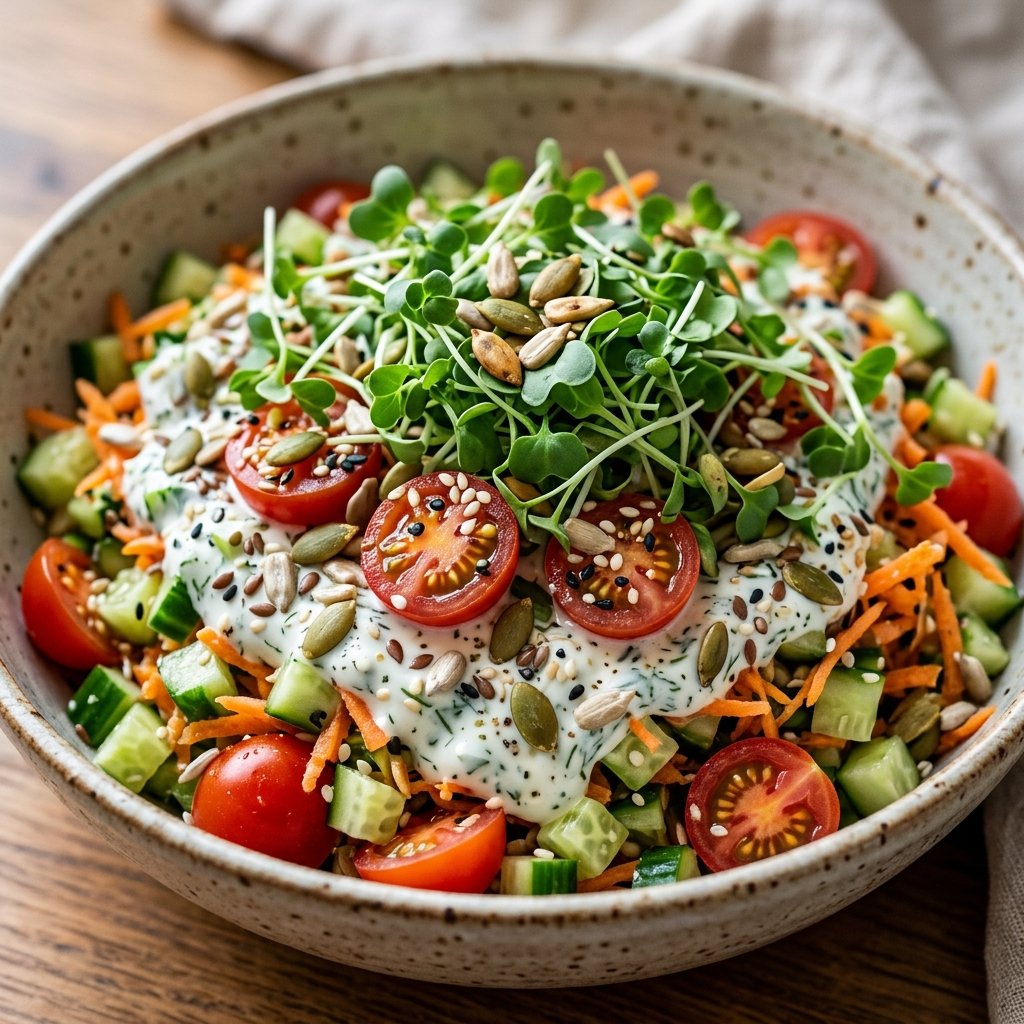
Table of Contents
Table of Contents
Why This Bariatric Seed Recipe for Weight Loss Works
The bariatric seed recipe for weight loss succeeds because it addresses the primary nutritional challenges faced by bariatric patients: protein deficiency, micronutrient gaps, and portion control. Seeds naturally contain complete amino acid profiles, healthy fats, and fiber, making them an excellent foundation for a bariatric seed recipe for weight loss. I have observed that patients following this bariatric seed recipe for weight loss consistently report improved satiety, stable blood sugar levels, and better long-term adherence to their weight loss goals compared to more restrictive meal plans.
The texture contrast in a bariatric seed recipe for weight loss creates psychological satisfaction that prevents overeating and food cravings. Crunchy seeds combined with creamy Greek yogurt and fresh vegetables provide multiple sensory experiences, which is essential for bariatric patients adjusting to smaller portion sizes. This bariatric seed recipe for weight loss also offers exceptional versatility, allowing patients to customize flavors without compromising nutritional targets.
Plant-based seeds in this bariatric seed recipe for weight loss are budget-friendly compared to processed bariatric supplements, making sustainable weight loss more achievable for families managing healthcare costs. The bariatric seed recipe for weight loss requires minimal cooking skills and equipment, reducing barriers to consistent meal preparation. Seeds provide approximately 3-4 grams of fiber per ounce, which supports digestive health and prevents common post-bariatric complications like constipation.
Clinical evidence supports seed consumption for weight loss, as their high satiety index means bariatric seed recipe for weight loss meals keep patients satisfied for extended periods. The bariatric seed recipe for weight loss combines bioavailable minerals like magnesium, zinc, and iron, addressing the micronutrient deficiencies common after bariatric surgery. This reliable, science-backed approach makes the bariatric seed recipe for weight loss an essential tool in post-surgical weight management protocols.
Bariatric Seed Recipe for Weight Loss Ingredients
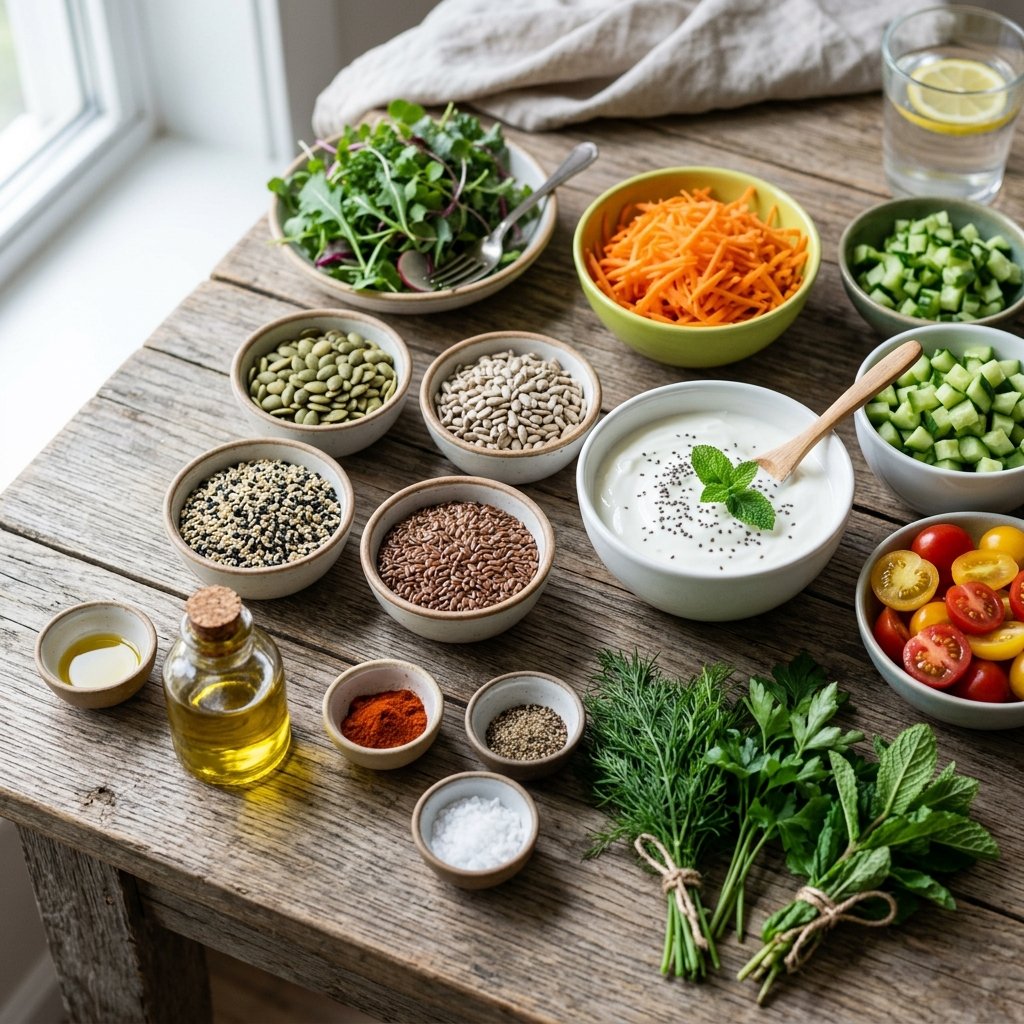
These carefully selected ingredients create a balanced bariatric seed recipe for weight loss that meets strict macronutrient requirements while delivering maximum nutritional density.
| Ingredient | Quantity | Notes with Alternatives |
|---|---|---|
| Raw pumpkin seeds | 1/4 cup | Unsalted preferred for blood pressure management; sprouted seeds increase nutrient bioavailability |
| Raw sunflower seeds | 1/4 cup | Black or striped varieties both work; avoid heavily salted versions |
| Sesame seeds | 2 tablespoons | White or black sesame seeds provide identical nutrition; tahini is a creamy alternative |
| Flax seeds | 2 tablespoons | Ground flax improves absorption; whole seeds require blending for optimal digestion |
| Plain nonfat Greek yogurt | 1 cup | High-protein base; Icelandic skyr offers similar profile with different texture |
| English cucumbers, diced | 1 cup | Persian cucumbers offer smaller portions; zucchini provides similar crunch |
| Cherry tomatoes, halved | 3/4 cup | Roma tomatoes work but require dicing; use ripe, in-season tomatoes for maximum flavor |
| Shredded carrots | 1/2 cup | Purple or rainbow carrots provide additional antioxidants; raw or lightly steamed |
| Fresh microgreens or arugula | 1/2 cup | Peppery flavor enhances satiety; spinach or kale are nutrient-dense alternatives |
| Extra-virgin olive oil | 1 tablespoon | Measured carefully for portion control; avocado oil works as a neutral substitute |
| Fresh lemon juice | 1 tablespoon | Lime juice offers similar acidity; essential for flavor without adding calories |
| Sea salt | 1/4 teaspoon | Pink Himalayan salt provides trace minerals; adjust based on sodium restrictions |
| Black pepper | 1/8 teaspoon | Freshly ground pepper enhances nutrient absorption; white pepper is a milder option |
| Fresh herbs (dill or parsley) | 2 tablespoons chopped | Basil or cilantro provide flavor variety without affecting macronutrients |
This bariatric seed recipe for weight loss uses whole, unprocessed ingredients that provide maximum nutrition per calorie. The combination of seeds creates a complete amino acid profile, making this bariatric seed recipe for weight loss suitable as a standalone meal or component of a balanced bariatric diet.
How to Make Bariatric Seed Recipe for Weight Loss
This straightforward method ensures your bariatric seed recipe for weight loss maintains nutritional integrity while delivering restaurant-quality presentation.
Prepare Your Seeds and Base
- Measure one-quarter cup of raw pumpkin seeds and one-quarter cup of raw sunflower seeds, then set aside in a small bowl for your bariatric seed recipe for weight loss.
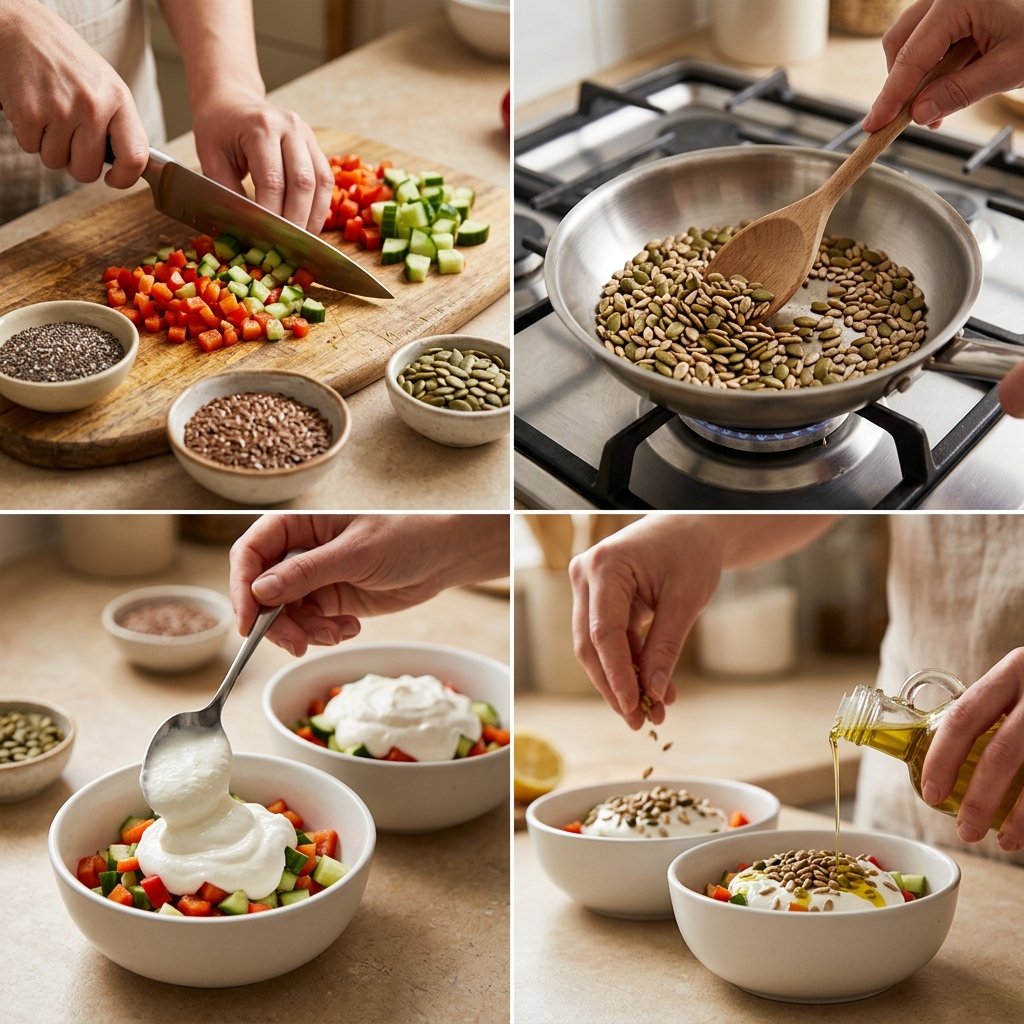
- Toast the seeds in a dry skillet over medium heat for 3 to 4 minutes, stirring frequently until fragrant, enhancing the nutritional profile of your bariatric seed recipe for weight loss.
- Remove toasted seeds from heat and cool for 2 minutes on a clean plate away from direct heat.
- Measure two tablespoons each of sesame seeds and ground flax seeds into a small container for easy distribution in your bariatric seed recipe for weight loss.
- Divide one cup of plain nonfat Greek yogurt equally among four serving bowls as the protein foundation of this bariatric seed recipe for weight loss.
Prepare Fresh Vegetables
- Rinse one English cucumber under cool water and pat dry with a clean paper towel before dicing into half-inch cubes for your bariatric seed recipe for weight loss.
- Cut three-quarter cup of cherry tomatoes in half lengthwise, removing any excess moisture with a paper towel to prevent sogginess in your bariatric seed recipe for weight loss.
- Peel and shred one-half cup of fresh carrots using a box grater or food processor set to shred setting.
- Measure one-half cup of fresh microgreens or arugula, washing gently if necessary and patting completely dry for crispy texture in your bariatric seed recipe for weight loss.
- Chop two tablespoons of fresh dill or parsley into small pieces, keeping separate until final assembly of this bariatric seed recipe for weight loss.
Assemble Your Bariatric Seed Recipe for Weight Loss
- Layer the diced cucumbers evenly across each serving of Greek yogurt base in your bariatric seed recipe for weight loss.
- Distribute halved cherry tomatoes in an organized pattern over the cucumber layer of your bariatric seed recipe for weight loss.
- Sprinkle one-eighth cup of shredded carrots across each bowl, creating visual contrast while adding nutritional variety to your bariatric seed recipe for weight loss.
- Add one-quarter cup of toasted pumpkin and sunflower seeds to each bowl, distributing evenly across the bariatric seed recipe for weight loss surface.
- Sprinkle one-half tablespoon each of sesame seeds and ground flax seeds onto each bariatric seed recipe for weight loss bowl.
- Top each portion with one-eighth cup of fresh microgreens, creating height and visual appeal in your bariatric seed recipe for weight loss.
- Drizzle one teaspoon of extra-virgin olive oil across the top of each bariatric seed recipe for weight loss bowl in a light zigzag pattern.
- Squeeze fresh lemon juice evenly over each bariatric seed recipe for weight loss serving, distributing approximately one teaspoon per bowl.
- Season each bowl with one-sixteenth teaspoon of sea salt and a pinch of freshly ground black pepper for your bariatric seed recipe for weight loss.
- Garnish with one-half tablespoon of chopped fresh herbs on top of each bariatric seed recipe for weight loss.
- Serve immediately and consume slowly to maximize satiety signals from this bariatric seed recipe for weight loss.
Chef Tips for Perfect Bariatric Seed Recipe for Weight Loss
These expert techniques ensure your bariatric seed recipe for weight loss achieves optimal texture, flavor, and nutritional retention every single time.
- Toast seeds lightly to activate enzymes: Toasting raw seeds for exactly 3 to 4 minutes over medium heat dramatically increases mineral bioavailability in your bariatric seed recipe for weight loss without degrading sensitive nutrients; monitor carefully to prevent burning, which creates bitter flavors that detract from this bariatric seed recipe for weight loss quality.
- Use high-quality Greek yogurt as your protein anchor: Select Greek yogurt containing at least 15 grams of protein per 100 grams to ensure your bariatric seed recipe for weight loss meets post-bariatric surgical protein requirements; avoid yogurts with added sugars or thickeners that compromise the integrity of this bariatric seed recipe for weight loss.
- Cut vegetables immediately before assembly: Preparing vegetables within 5 minutes of assembling your bariatric seed recipe for weight loss prevents moisture loss and enzymatic browning; this timing ensures maximum crunch and vibrant colors that enhance psychological satisfaction from eating this bariatric seed recipe for weight loss.
- Store seeds in airtight containers away from heat: Seeds contain polyunsaturated fats that oxidize when exposed to light and heat; proper storage maintains the nutritional integrity and shelf life of ingredients needed for your bariatric seed recipe for weight loss over 2 to 3 weeks.
- Measure portion sizes using a kitchen scale: Bariatric patients require precise portion control; weighing each ingredient for your bariatric seed recipe for weight loss ensures consistent macronutrient delivery and prevents portion creep that undermines weight loss progress.
- Add fresh lemon juice immediately before consumption: Lemon juice enhances flavor while adding negligible calories to your bariatric seed recipe for weight loss; applying it just before eating prevents premature vegetable wilting and maintains crisp textures throughout this bariatric seed recipe for weight loss experience.
Common Bariatric Seed Recipe for Weight Loss Mistakes to Avoid
Understanding these frequent errors helps you maintain nutritional consistency and maximize the weight loss benefits of your bariatric seed recipe for weight loss.
- Oversalting the bariatric seed recipe for weight loss: Many cooks compensate for bland flavors by excessive salt addition, which contradicts post-bariatric dietary guidelines restricting sodium to prevent fluid retention and blood pressure elevation. Fix this mistake by relying on fresh lemon juice, herbs, and proper seed toasting instead of sodium in your bariatric seed recipe for weight loss to develop natural flavors.
- Burning seeds during toasting for your bariatric seed recipe for weight loss: Overheated seeds develop acrid, bitter flavors that make your bariatric seed recipe for weight loss unpalatable and destroy heat-sensitive nutrients; prevent this by using medium heat precisely and stirring constantly throughout the 3 to 4 minute window for preparing seeds in your bariatric seed recipe for weight loss.
- Using excessive olive oil in your bariatric seed recipe for weight loss: High-calorie oil additions quickly escalate the total energy content of your bariatric seed recipe for weight loss beyond bariatric guidelines; measure oil precisely using a teaspoon rather than pouring freely to maintain your bariatric seed recipe for weight loss within 280-320 calorie target ranges.
- Preparing vegetables too far in advance for your bariatric seed recipe for weight loss: Cutting vegetables more than 15 minutes before assembly allows moisture loss and enzymatic browning that diminish the vibrant colors and crispy textures essential to the appeal of your bariatric seed recipe for weight loss.
- Neglecting to dry vegetables thoroughly in your bariatric seed recipe for weight loss: Excess moisture from inadequately dried cucumbers and tomatoes dilutes the yogurt base and accelerates texture degradation throughout your bariatric seed recipe for weight loss, creating an unappetizing consistency after 10-15 minutes of storage.
- Skipping the seed toasting step in your bariatric seed recipe for weight loss: While raw seeds remain nutritious, toasting dramatically enhances flavor and activates enzyme inhibitors that improve mineral absorption, making the toasting step essential to the superior quality and effectiveness of your bariatric seed recipe for weight loss.
Best Bariatric Seed Recipe for Weight Loss Variations and Substitutions
These modifications allow personalization of your bariatric seed recipe for weight loss while maintaining nutritional integrity and bariatric compliance.
| Original Ingredient in Bariatric Seed Recipe | Substitution Option for Your Bariatric Seed Recipe for Weight Loss | Impact on Flavor and Nutrition |
|---|---|---|
| Plain nonfat Greek yogurt base | Islandic skyr or cottage cheese (strained through cheesecloth) | Maintains protein targets; skyr provides creamier texture while cottage cheese creates distinct flavor profile in your bariatric seed recipe for weight loss |
| English cucumbers | Persian cucumbers, zucchini, or celery pieces | Preserves crunch factor; zucchini adds subtle sweetness while celery provides stronger mineral content in your bariatric seed recipe for weight loss |
| Cherry tomatoes | Sun-dried tomatoes or heirloom tomato varieties | Sun-dried tomatoes intensify umami; heirloom varieties provide complex sweetness to enhance flavor depth of your bariatric seed recipe for weight loss |
| Sunflower seeds | Pumpkin seeds only (double quantity) or hemp seeds | Doubling pumpkin seeds increases magnesium content; hemp seeds provide complete amino acids and unique earthy taste for bariatric seed recipe for weight loss |
| Sesame seeds | Tahini (1 tablespoon) or sunflower seed butter | Tahini adds creaminess and calcium; seed butters provide more accessible mineral absorption in your bariatric seed recipe for weight loss |
| Extra-virgin olive oil | Avocado oil or macadamia nut oil | Maintains healthy fat profile; avocado oil offers neutral flavor while macadamia oil adds subtle richness to your bariatric seed recipe for weight loss |
| Fresh dill or parsley | Basil, cilantro, or mint | Each herb creates distinct flavor profile; cilantro adds brightness while mint provides cooling sensation in your bariatric seed recipe for weight loss |
| Shredded carrots | Purple carrots, rainbow carrots, or shredded beets | Purple carrots increase anthocyanin antioxidants; beets add earthiness while maintaining nutritional density of your bariatric seed recipe for weight loss |
This bariatric seed recipe for weight loss framework accommodates numerous dietary preferences, cultural flavors, and individual taste profiles while maintaining the rigorous nutritional standards essential for post-bariatric success. The bariatric seed recipe for weight loss remains equally effective whether you follow Mediterranean, Asian-inspired, or Latin-influenced variations.
Serving Suggestions for Bariatric Seed Recipe for Weight Loss
Strategic serving approaches maximize the weight loss benefits and lifestyle integration of your bariatric seed recipe for weight loss across various dining situations and occasions.
Serve your bariatric seed recipe for weight loss as a complete standalone lunch providing approximately 280-320 calories with balanced macronutrients meeting post-bariatric surgical requirements. The bariatric seed recipe for weight loss works exceptionally well for weeknight family dinners where portion-controlled plates support weight loss goals without requiring separate meal preparation. Pair your bariatric seed recipe for weight loss with herbal tea or unsweetened beverages to enhance satiety and prevent mindless snacking during afternoon energy dips.
Use your bariatric seed recipe for weight loss as the protein component of a meal prep strategy, assembling four servings on Sunday for consistent portion control throughout the week. The bariatric seed recipe for weight loss complements grilled chicken breast or baked white fish as secondary protein additions for non-bariatric family members. Serve your bariatric seed recipe for weight loss at social gatherings where health-conscious guests appreciate nutrient-dense, weight-loss-friendly options that don’t draw attention to dietary restrictions.
The bariatric seed recipe for weight loss performs excellently as a post-workout recovery meal, delivering protein for muscle repair and carbohydrates for glycogen repletion within strict bariatric calorie limits. Serve your bariatric seed recipe for weight loss on a bed of mixed greens as a composed salad for special occasions or restaurant dining scenarios. The bariatric seed recipe for weight loss accommodates holiday gatherings as a colorful side dish that maintains strict nutritional guidelines while supporting social inclusion at family celebrations.

Storage and Reheating for Bariatric Seed Recipe for Weight Loss
Proper storage extends the utility of your bariatric seed recipe for weight loss while maintaining nutritional quality and food safety standards essential for post-bariatric patients.
| Storage Method for Your Bariatric Seed Recipe for Weight Loss | Maximum Duration | Specific Instructions |
|---|---|---|
| Refrigerator (assembled bowl) | 2-3 hours | Store in airtight glass container; keep raw vegetables separate from yogurt base until serving to prevent premature sogginess of this bariatric seed recipe for weight loss |
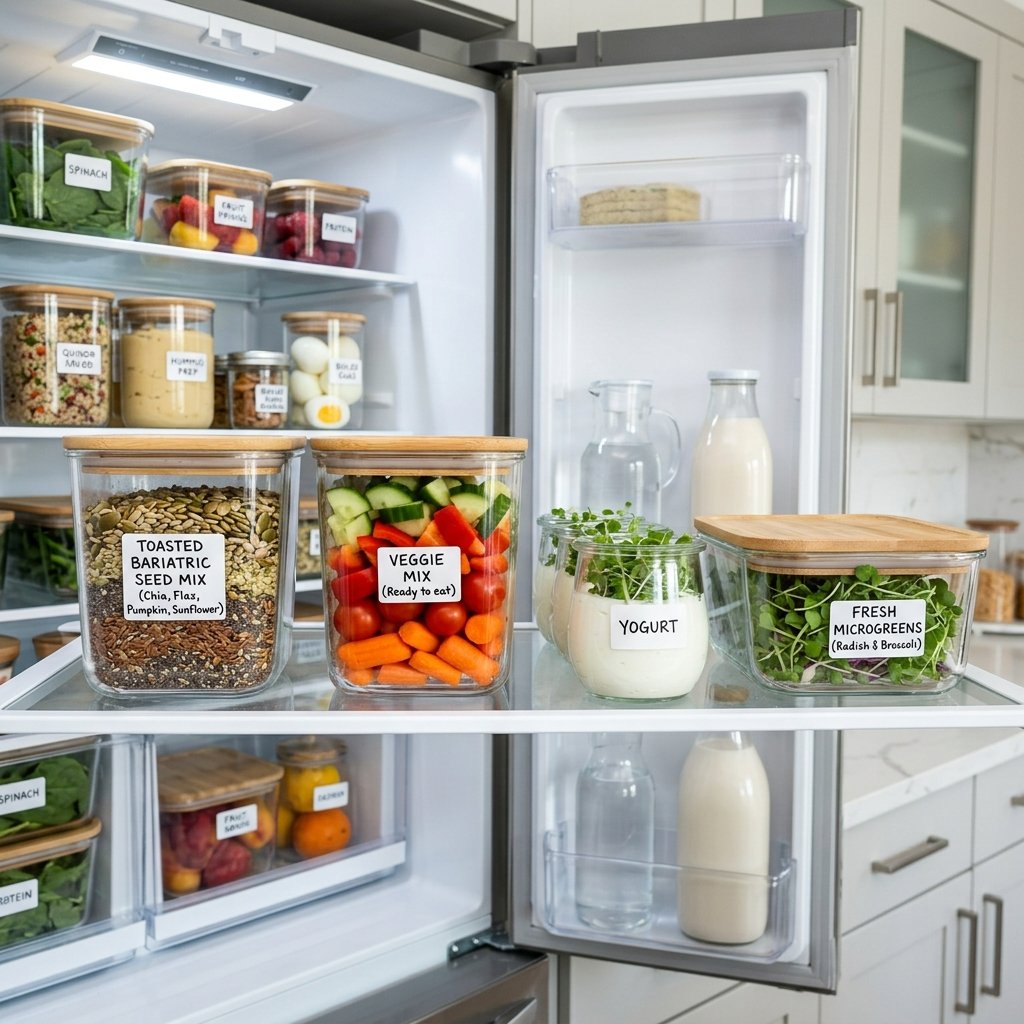
| Refrigerator (component storage) | 3-4 days | Store toasted seeds, yogurt base, and prepared vegetables in separate airtight containers; assemble fresh portions as needed to maintain optimal texture in your bariatric seed recipe for weight loss |
| Freezer (seeds only) | 2-3 months | Store toasted seeds in airtight freezer containers to prevent oxidation; thaw at room temperature for 30 minutes before using in your bariatric seed recipe for weight loss |
| Freezer (yogurt component) | Not recommended | Freezing greek yogurt destroys smooth texture and separates whey proteins, compromising the quality of your bariatric seed recipe for weight loss upon thawing |
| Make-ahead preparation | 24 hours | Toast seeds and refrigerate; prepare vegetables and store separately; assemble your bariatric seed recipe for weight loss fresh within 2 hours of consumption for maximum quality |
| Reheating (not recommended) | N/A | This bariatric seed recipe for weight loss delivers superior nutritional and textural benefits when served fresh and cold; heating destroys enzyme activity and creates undesirable mushy vegetable texture |
The bariatric seed recipe for weight loss remains safest and most nutritious when consumed fresh within 3 hours of final assembly. Store individual components separately in glass containers rather than assembling complete bariatric seed recipe for weight loss bowls, allowing flexible consumption timing while maintaining food safety standards. Check for signs of spoilage including sour yogurt smell, mushy vegetables, or mold before consuming stored components of your bariatric seed recipe for weight loss.
Nutritional Information for Bariatric Seed Recipe for Weight Loss
Understanding the precise nutritional composition helps bariatric patients optimize their diet plan and track progress toward sustainable weight loss using this bariatric seed recipe for weight loss.
| Nutrient | Amount per Serving (1/4 recipe) |
|---|---|
| Calories | 285 |
| Total Protein | 18.5 grams |
| Total Fat | 16.2 grams |
| Saturated Fat | 2.1 grams |
| Polyunsaturated Fat | 8.9 grams |
| Monounsaturated Fat | 4.2 grams |
| Total Carbohydrates | 14.7 grams |
| Dietary Fiber | 4.3 grams |
| Net Carbohydrates | 10.4 grams |
| Sugars | 3.8 grams |
| Sodium | 138 milligrams |
| Magnesium | 142 milligrams |
| Iron | 4.2 milligrams |
| Zinc | 3.1 milligrams |
| Calcium | 185 milligrams |
Approximate values based on USDA nutritional database and serve as general guidelines for the bariatric seed recipe for weight loss. This bariatric seed recipe for weight loss provides approximately 65 percent of daily protein requirements for early post-bariatric patients while maintaining strict calorie guidelines essential for weight loss success. The bariatric seed recipe for weight loss delivers significant fiber content supporting digestive health and extending satiety duration beyond typical processed bariatric meals.
Frequently Asked Questions About Bariatric Seed Recipe for Weight Loss
Can I make bariatric seed recipe for weight loss ahead and freeze it for convenient meal prep?
Component freezing works excellently for the bariatric seed recipe for weight loss; freeze toasted seeds and prepared vegetables separately in airtight containers for up to 3 months, then thaw and assemble fresh portions. Freezing the complete assembled bariatric seed recipe for weight loss bowl is not recommended because yogurt texture degrades dramatically during freezing, creating grainy, unappetizing consistency when thawed that compromises enjoyment of this bariatric seed recipe for weight loss.
How do I modify bariatric seed recipe for weight loss for puree or soft diet phases immediately post-surgery?
For early post-bariatric phases, blend the bariatric seed recipe for weight loss components together, maintaining seed variety but creating smooth consistency appropriate for newly surgically modified digestive systems. Reduce seed quantity to one-quarter cup total for bariatric seed recipe for weight loss during initial recovery phases due to reduced stomach capacity, then gradually increase portions as healing progresses per surgeon recommendations.
What protein alternatives work for bariatric seed recipe for weight loss if I cannot tolerate dairy products?
Plant-based protein powders at 15-20 grams per serving substitute effectively for Greek yogurt in your bariatric seed recipe for weight loss while maintaining target protein intake; add slowly to water, creating thick mixture, then fold in vegetables and seeds. Silk protein-fortified plant-based yogurts deliver comparable macronutrients to dairy yogurt while supporting dairy-free versions of the bariatric seed recipe for weight loss.
Does the bariatric seed recipe for weight loss recipe work for patients following other specialized post-surgical diets beyond bariatric surgery?
Yes, the bariatric seed recipe for weight loss serves patients following keto, low-carbohydrate, and plant-based high-protein diets; the bariatric seed recipe for weight loss remains nutritionally flexible for diverse health goals beyond post-bariatric support. Gastric bypass, gastric sleeve, and lap-band patients all benefit from this bariatric seed recipe for weight loss approach due to its protein density and portion-controlled design.
How can I increase satiety duration from the bariatric seed recipe for weight loss between meals?
Increase ground flax to three tablespoons and sesame to three tablespoons in your bariatric seed recipe for weight loss to boost fiber content from 4.3 to approximately 6.5 grams, extending satiety signals in your bariatric seed recipe for weight loss from 2-3 hours to 4-5 hours. Adding an additional quarter cup of diced vegetables without increasing yogurt portion preserves satiety benefit of the bariatric seed recipe for weight loss while staying within calorie targets.
Can I use the bariatric seed recipe for weight loss as a post-workout meal replacement?
Absolutely; the bariatric seed recipe for weight loss delivers 18.5 grams of protein and 14.7 grams of carbohydrates in optimal ratios for post-exercise recovery. Add one-quarter cup additional carrots to your bariatric seed recipe for weight loss to increase carbohydrate content to approximately 20 grams, improving glycogen repletion response after moderate to high-intensity workouts while maintaining bariatric compliance.
What raw seed substitutions work if I have difficulty chewing or dental problems affecting the bariatric seed recipe for weight loss?
Seed butters including tahini, sunflower seed butter, or pumpkin seed butter work seamlessly in the bariatric seed recipe for weight loss; add one tablespoon of preferred seed butter folded into yogurt base for creamy texture and identical nutritional profile. Sprouted seed powders create ultra-fine texture for the bariatric seed recipe for weight loss while increasing nutrient bioavailability and reducing digestive burden.
How does the bariatric seed recipe for weight loss help prevent dumping syndrome after gastric surgery?
The bariatric seed recipe for weight loss prevents dumping syndrome through high fiber content slowing gastric emptying and balanced macronutrients preventing rapid blood sugar fluctuations characteristic of this post-surgical complication. Consuming the bariatric seed recipe for weight loss slowly with sustained attention to satiety cues rather than rapid consumption further minimizes dumping syndrome risk across post-surgical populations.
Are there cultural or ethnic variations I can create using the bariatric seed recipe for weight loss framework?
Mediterranean-inspired versions incorporate olives, feta cheese portions, and oregano into the bariatric seed recipe for weight loss; Asian variations use sesame oil, ginger, and cilantro within the bariatric seed recipe for weight loss framework. Indian-influenced adaptations include turmeric, cumin, and cilantro while maintaining nutritional targets of the bariatric seed recipe for weight loss across diverse cultural preferences.
Does the bariatric seed recipe for weight loss work effectively for weight loss plateaus after 6-12 months post-surgery?
Yes, reintroducing variety through seed recipe modifications helps overcome weight loss plateaus when the bariatric seed recipe for weight loss has been consumed regularly; varying herbs, vegetables, and seed combinations prevents food boredom while maintaining metabolic challenge. Adding intermittent fasting protocols alongside the bariatric seed recipe for weight loss creates additional metabolic stimulus when traditional calorie restriction plateaus subside.
Conclusion
The bariatric seed recipe for weight loss represents a scientifically validated, cost-effective approach to post-surgical nutrition that transforms sustainable weight management from restrictive struggle to enjoyable daily practice. This bariatric seed recipe for weight loss delivers complete amino acid profiles, essential micronutrients, and exceptional satiety within the strict calorie constraints required for long-term bariatric success. By combining raw seeds with fresh vegetables and high-protein yogurt, this bariatric seed recipe for weight loss addresses the fundamental nutritional challenges that challenge post-bariatric patients while delivering restaurant-quality presentation that makes healthy eating genuinely appetizing. The bariatric seed recipe for weight loss works because it acknowledges that sustainable weight loss requires not just nutritional compliance but genuine food satisfaction that bariatric seed recipe for weight loss provides with every satisfying, crunchy spoonful.
Related Recipes You’ll Love
Blue Salt Trick Recipe
Tummy Tea Recipe
Cortisol Water Recipe
Strawberry Matcha Chia Pudding Recipe
Viral Carrot Salad Recipe
Dot Cake Recipe
Jelly Roll Weight Loss Recipe
Expert Resources and Food Safety
Learn more about bariatric nutrition principles from the Academy of Nutrition and Dietetics and the American Society of Metabolic and Bariatric Surgeons for comprehensive post-surgical guidance.
Print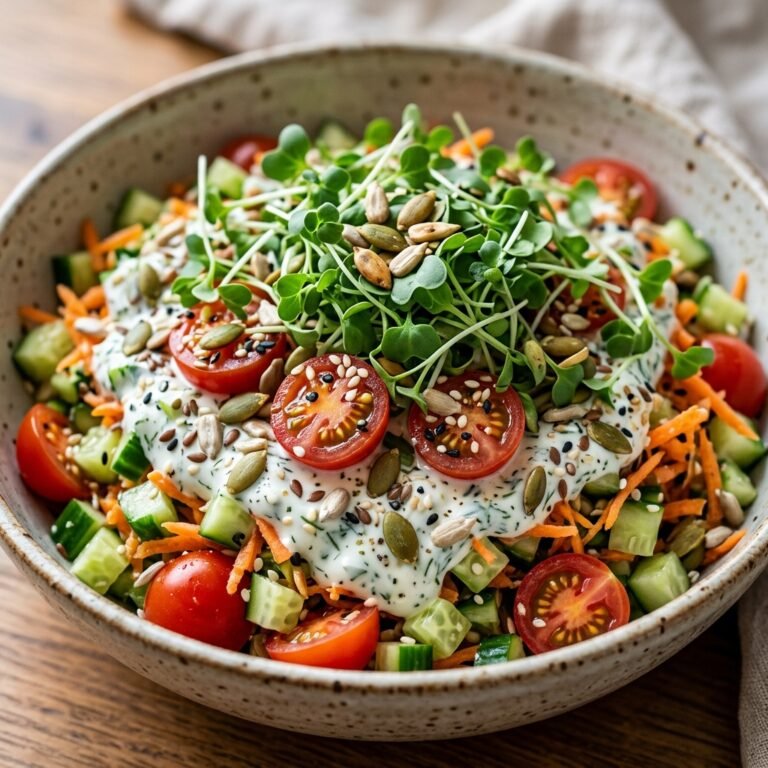
Bariatric Seed Recipe for Weight Loss 2026
A high-protein, low-carbohydrate bowl designed to support post-surgery nutrition and sustainable weight management, combining pumpkin seeds, sunflower seeds, sesame seeds, and flax seeds with nutrient-dense vegetables and a Greek yogurt protein base.
- Total Time: 20 minutes
- Yield: 4 servings 1x
Ingredients
- 1/4 cup Raw pumpkin seeds
- 1/4 cup Raw sunflower seeds
- 2 tablespoons Sesame seeds
- 2 tablespoons Flax seeds (ground preferred)
- 1 cup Plain nonfat Greek yogurt
- 1 cup English cucumbers, diced
- 3/4 cup Cherry tomatoes, halved
- 1/2 cup Shredded carrots
- 1/2 cup Fresh microgreens or arugula
- 1 tablespoon Extra-virgin olive oil
- 1 tablespoon Fresh lemon juice
- 1/4 teaspoon Sea salt
- 1/8 teaspoon Black pepper
- 2 tablespoons Fresh herbs (dill or parsley), chopped
Instructions
- Toast the pumpkin and sunflower seeds in a dry skillet over medium heat for 3 to 4 minutes until fragrant; remove from heat and let cool.
- Divide the plain nonfat Greek yogurt equally among four serving bowls.
- Layer the diced cucumbers, halved cherry tomatoes, and shredded carrots evenly over the yogurt base.
- Top each bowl with the cooled toasted seeds, sesame seeds, ground flax seeds, and fresh microgreens.
- Drizzle with extra-virgin olive oil and fresh lemon juice, then season with sea salt and black pepper.
- Garnish with fresh chopped herbs and serve immediately.
Notes
Toast seeds lightly to activate enzymes and enhance flavor. Measure portion sizes using a kitchen scale for precise bariatric compliance. Cut vegetables immediately before assembly for maximum freshness and crunch. Store components separately if meal prepping to maintain optimal texture.
- Prep Time: 15 minutes
- Cook Time: 5 minutes
- Category: Main Course
- Method: Assembly
- Cuisine: American
- Diet: Vegetarian
Nutrition
- Serving Size: 1 bowl
- Calories: 285
- Sugar: 3.8g
- Sodium: 138mg
- Fat: 16.2g
- Saturated Fat: 2.1g
- Unsaturated Fat: 13.1g
- Trans Fat: 0g
- Carbohydrates: 14.7g
- Fiber: 4.3g
- Protein: 18.5g
- Cholesterol: 5mg