Did you know that lemons used to be so rare they were given as gifts to ancient kings? It’s true! Im so glad they are easy to find now at the grocery store, because I am completely obsessed with baking citrus desserts for my students and family. Today, we are making the absolute best Keto lemon curd tarts. I love baking these on a sunny weekend because they have the perfect balance of sweet and sour without all the heavy sugar. They are tangy, buttery, and totally low carb, making them a really helpful dessert if your watching your daily carbs. Let’s grab our favorite mixing bowls and get started!
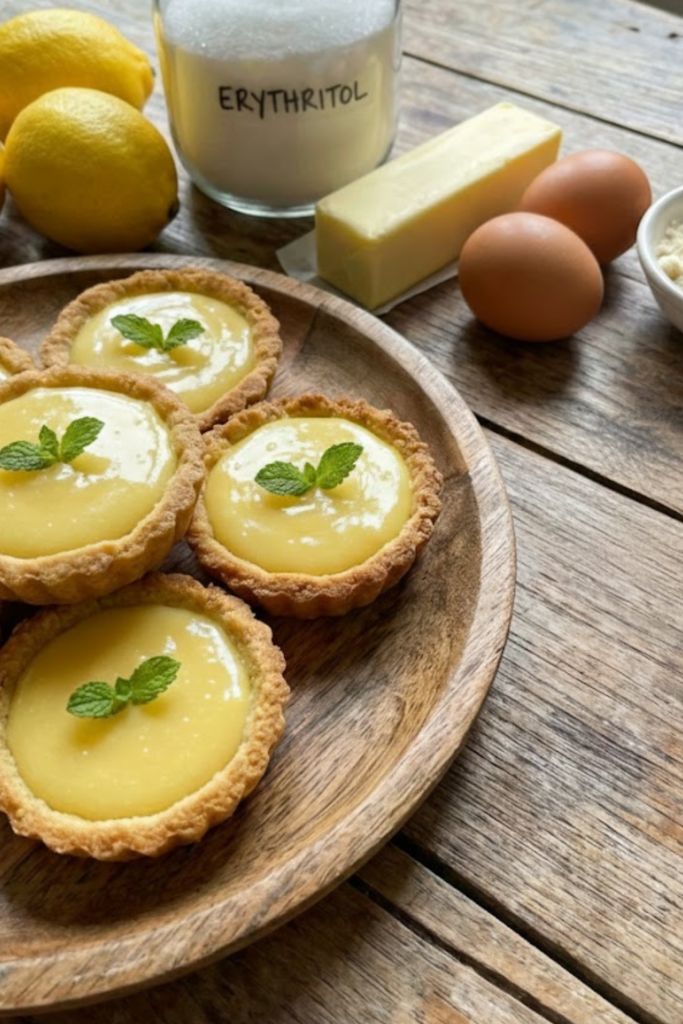
Why You’ll Love This Low Carb Lemon Tart
Man, I used to miss traditional desserts so much on a low carb diet. The struggle was real! I’d see my friends eating pastries at the bakery, and my mouth would just water. But these keto lemon curd tarts changed the game for me. I finally nailed the balance of sweet and sour after a few tries. It took about five failed batches, but the triumph of tasting that tangy, sugar-free goodness was incredible. You’ll love how the rich, buttery crust melts in your mouth alongside the bright citrus filling. Plus, each tart only has 3g net carbs, so it fits perfectly into your daily macros without making you feel guilty. Getting keto desserts right is tough because sometimes the texture is just totally off or gritty, but using the right blend of erythritol makes these taste like the real deal.
I really think the best part is that you don’t get that weird “cooling” sensation that some sugar-free treats have. Because we use plenty of fresh lemon juice and zest, the citrus punch actually masks the sweetener perfectly. It’s also a great recipe for meal prep because the flavors actually get better after sitting in the fridge for a day. My kids, who usually hate anything “healthy,” actually ask for seconds of these, which is the ultimate win for any parent trying to cut back on sugar. Plus, they look so fancy with a little sprig of mint on top that you can serve them at a dinner party and nobody will guess they are actually good for you. It’s such a relief to have a go-to dessert that feels like a total indulgence but keeps me on track with my health goals. If you’ve been searching for a way to satisfy that lemon bar craving without the sugar crash, this is definitely the recipe you’ve been waiting for!
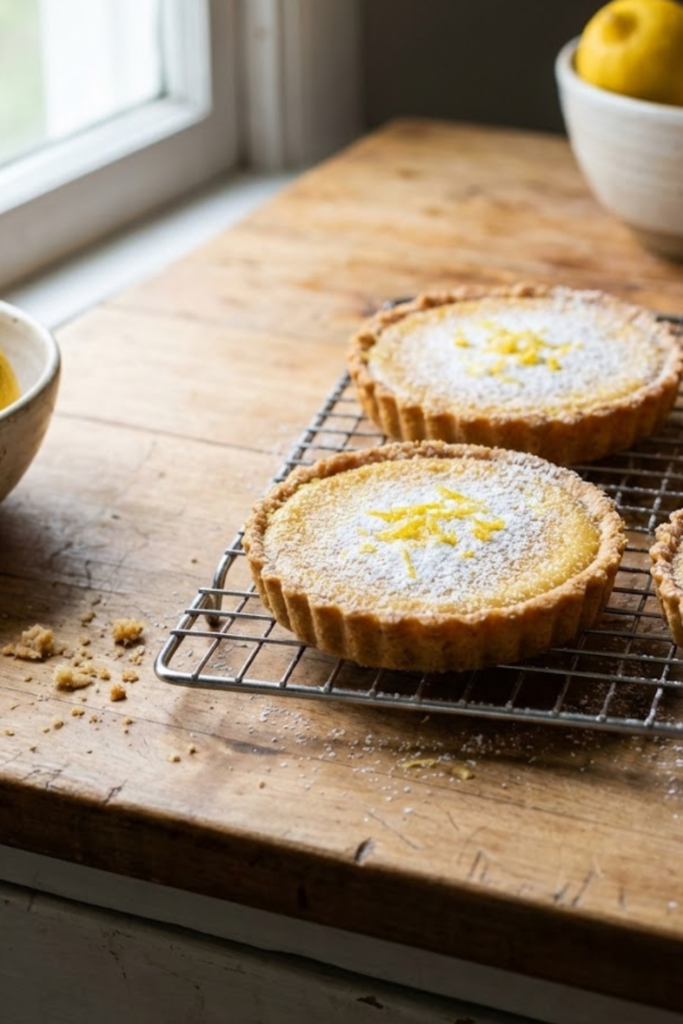
The Secret to a Flaky Almond Flour Crust
Let me tell you a secret about almond flour: it burns fast! I once left my tart shells in the oven for just two extra minutes, and they were completely ruined. I was so mad at myself for not watching the timer! To get that perfect golden crunch, you have to be a bit careful with the heat. Here are the steps I follow to make sure my keto crusts turn out great every single time:
- Patience pays off: You really have to keep a close eye on the oven. I always bake mine at 325°F instead of 350°F. The lower temp stops the edges from getting dark too quickly while the middle stays raw. It’s a simple trick I wish someone told me when I first started keto baking.
- Cold butter is everything: The butter must be freezing cold when you mix it into the dry ingredients. If it’s warm, the crust will just spread out flat like a pancake and get greasy. I like to pulse it in a food processor until it looks like coarse crumbs. This creates those beautiful, flaky layers we all crave.
- Pressing it right: Don’t be afraid to use your fingers to press the dough firmly into the tart pans. If the dough feels too sticky, just wet your hands slightly or use the back of a cold spoon to smooth it out. You want an even layer so it bakes consistently.
- Let it set: This is the hardest part because the house smells amazing, but you can’t touch the crusts right away. Almond flour is very fragile when it’s hot. Let the shells cool down completely on the counter before you even think about pouring in that lemon curd. If you rush it, the crust might crumble into a mess!
Making the Perfect Sugar-Free Lemon Curd
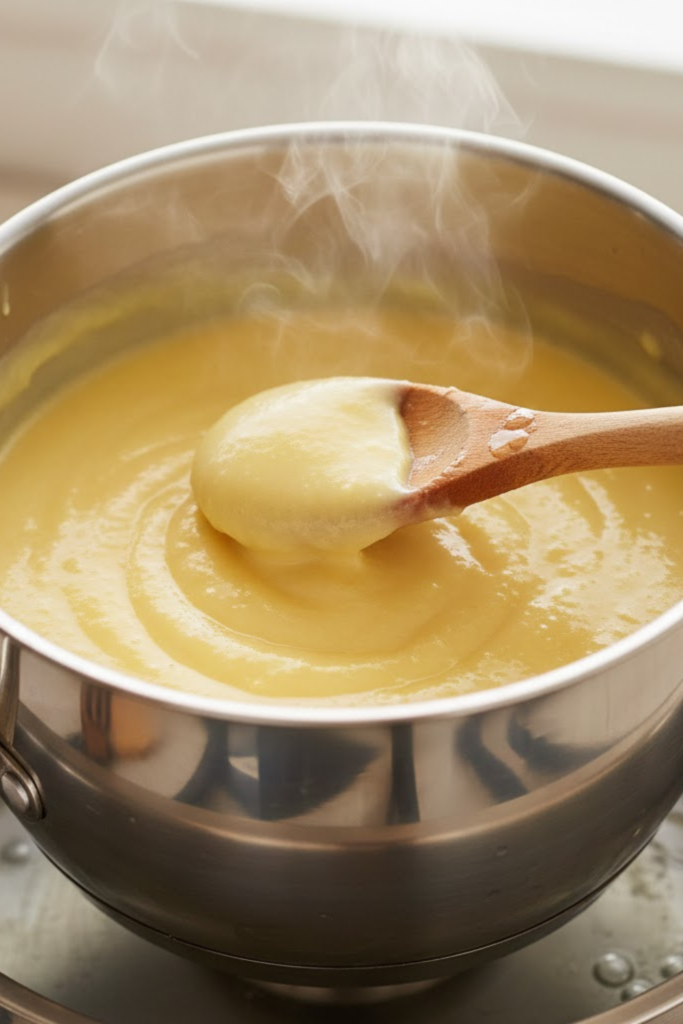
Making curd used to terrify me. I’d end up with scrambled eggs instead of a smooth filling, and it was so frustrating trying to figure it out! I probably threw away three bowls of yellow chunks before I finally got the hang of it. If you want that silky, restaurant-quality filling, you just have to follow a few simple rules:
- Whisk like your life depends on it: This is the most important part. You can’t just walk away to check your phone! You have to whisk constantly for about 10 to 12 minutes. If you stop, the eggs will sit on the bottom and cook too fast.
- The double boiler trick: Don’t put your pot directly on the stove flame. Use a glass bowl over a pot of simmering water. The gentle steam cooks the eggs slowly so they stay creamy. Make sure the bottom of the bowl isn’t actually touching the water, or it’ll get too hot.
- Strain for success: Even if you’re super careful, sometimes tiny bits of egg might cook. I always push my finished curd through a fine mesh sieve. It catches any lumps and leaves you with a luscious, smooth texture that looks professional.
- Adding the butter at the end: Once the lemon mixture is thick enough to coat the back of a spoon, take it off the heat and whisk in your cold butter cubes one by one. This gives it a glossy shine and a rich flavor that balances the tartness of the lemons perfectly.
- The setting secret: Add a tiny pinch of xanthan gum right at the end. It helps the curd set up firm once it hits the fridge, so it doesn’t run all over the plate when you take a bite of your tart.
- Zest before you juice: Always remember to grate the yellow part of the lemon peel before you squeeze the juice out. The oils in the zest are where all that intense “lemony” smell comes from, but avoid the white part underneath because it’s super bitter.
- Temper your eggs: If you are nervous about scrambling, try whisking a tiny bit of the warm lemon juice into your egg yolks first before putting the whole mix over the heat. This “wakes up” the eggs slowly so they don’t go into shock and clump up right away.
- Use a silicone spatula: While a whisk is great for air, I like to switch to a silicone spatula every few minutes to scrape the sides and bottom of the bowl. This makes sure no hidden pockets of egg are sticking to the edges and overcooking while you aren’t looking.
- Don’t rush the heat: I know it’s tempting to turn up the stove to make it go faster, but high heat is the enemy of a good curd. Keep it on low-medium; it’s better to spend an extra five minutes whisking than to have to start all over again because you got impatient.
- Taste as you go: Since lemons vary in sourness, I always dip a spoon in toward the end to see if it needs a tiny bit more sweetener. Just remember that the flavor gets stronger as it cools down in the fridge, so don’t overdo it!
- Cover it with plastic wrap: Once the curd is done, press a piece of plastic wrap directly onto the surface of the liquid while it cools. This stops a weird “skin” from forming on top, keeping the whole batch creamy from top to bottom.
Troubleshooting Common Keto Baking Mistakes
Baking keto lemon curd tarts can be tricky. I’ve made every mistake in the book. Sometimes my filling wouldn’t set, or my crust would crumble to pieces when I picked it up. It’s so annoying when you spend money on expensive almond flour just for it to fall apart! Here is how to fix those little disasters:
- Let it chill out: This is the big one. Keto baked goods need time to cool completely. If you try to remove the crust from the pan while it’s still warm, it will break. I learned that the hard way when I ruined a whole batch for a party. Let them sit in the fridge for at least 4 hours, or even overnight, to firm up.
- Sweetener choices matter: Don’t use pure stevia for the lemon curd. It leaves a super bitter aftertaste that totally ruins the citrus flavor. Stick to powdered allulose or an erythritol blend. Allulose is great because it dissolves better and doesn’t get crunchy or “sandy” when it gets cold in the fridge.
- Fixing a runny curd: If your curd didn’t thicken up on the stove, don’t panic. You can whisk in a tiny bit more butter or a half-teaspoon of gelatin dissolved in water. It’ll save the batch and nobody will ever know.
- The “Soggy Bottom” fix: If you’re worried about the curd making the crust soft, you can brush the baked crust with a little bit of egg white and bake it for one more minute before adding the filling. This creates a little waterproof barrier that keeps things crunchy.
- Watch the oven temperature: Many people forget that every oven is a little different. I highly recommend getting a cheap oven thermometer to make sure yours isn’t running too hot, as almond flour is very sensitive to heat spikes. If the edges of your tarts are browning too fast, just cover them loosely with some aluminum foil.
- Sifting your flour: If your crust feels lumpy, it’s probably because the almond flour has clumps in the bag. I always take an extra minute to sift my dry ingredients through a strainer to make sure the dough is smooth and easy to work with.
- The importance of fresh lemons: Please, don’t use the lemon juice that comes in a plastic bottle! It has a weird metallic taste that really stands out in keto baking because there isn’t real sugar to hide it. Freshly squeezed juice makes a massive difference in the final flavor profile.
- Don’t over-mix the dough: Just like regular baking, if you work the almond flour dough too much, it can become oily. Mix it until it just comes together so the natural oils in the nuts stay put and your tart stays light and crisp.
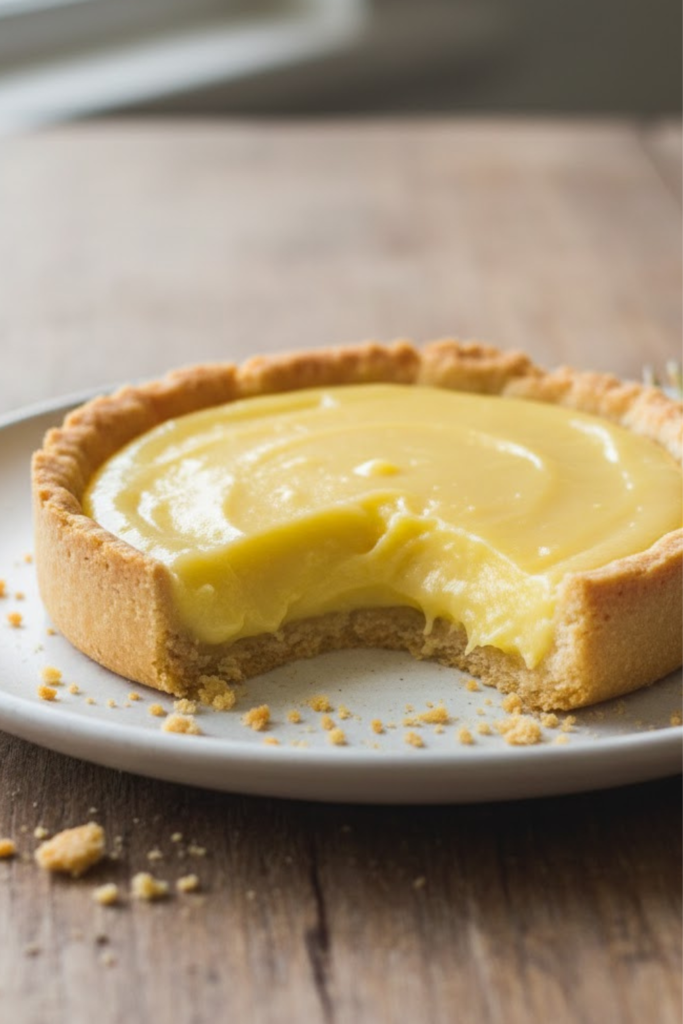
Well, there you have it! Baking keto lemon curd tarts doesn’t have to be a nightmare. With a flaky almond flour crust and a silky, sugar-free lemon curd, you can have a bakery-quality dessert right at home. I hope these tips save you some of the headaches I had. These are always a hit at my house, and I bet they will be at yours too.
Whenever I bring these to a school potluck, nobody even realizes they are low carb until I tell them. It’s such a great feeling to see people enjoying a healthy treat without even knowing it! If you have any leftovers, they stay fresh in the fridge for about three days, though they usually disappear much faster than that. Don’t be afraid to experiment with a little lime zest or even some fresh raspberries on top to give them your own personal touch. Cooking is all about having fun and learning from the little messes we make along the way. Please share this recipe on Pinterest if you loved it, and let me know how yours turned out in the comments!