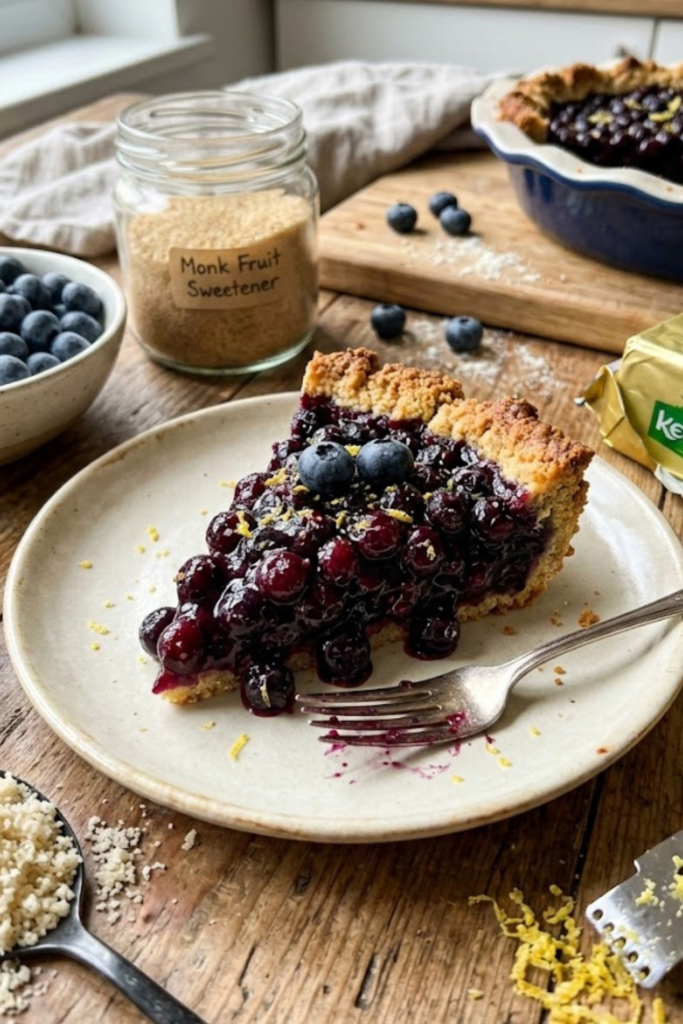
Listen, I used to think a “healthy pie” was just a plate of fruit with a sad sprinkle of cinnamon. Boy, was I wrong! Did you know that the average slice of traditional fruit pie packs over 60 grams of sugar? That’s a total energy crasher. After months of tinkering in my kitchen, I’ve finally nailed this Low Carb Blueberry Pie with Almond Flour Crust. It’s got that nostalgic, bubbling purple center and a crust so buttery you’ll forget it’s keto. Whether you are watching your macros or just want a dessert that doesn’t lead to a sugar nap, this recipe is your new best friend!
I remember the first time I pulled this out of the oven; the smell of toasted almonds and warm berries filled the whole house, and I knew I had something special. It’s funny because my family usually side-eyes anything I call “low carb,” but they polished off half the pie before I could even grab a plate. You don’t need fancy equipment or a pastry degree to get this right, just some good berries and a little bit of patience. I’ve spent plenty of afternoons cleaning up flour messes so you don’t have to, and I’m excited to show you exactly how to get that perfect golden finish every single time.
Why This Almond Flour Crust Changes Everything
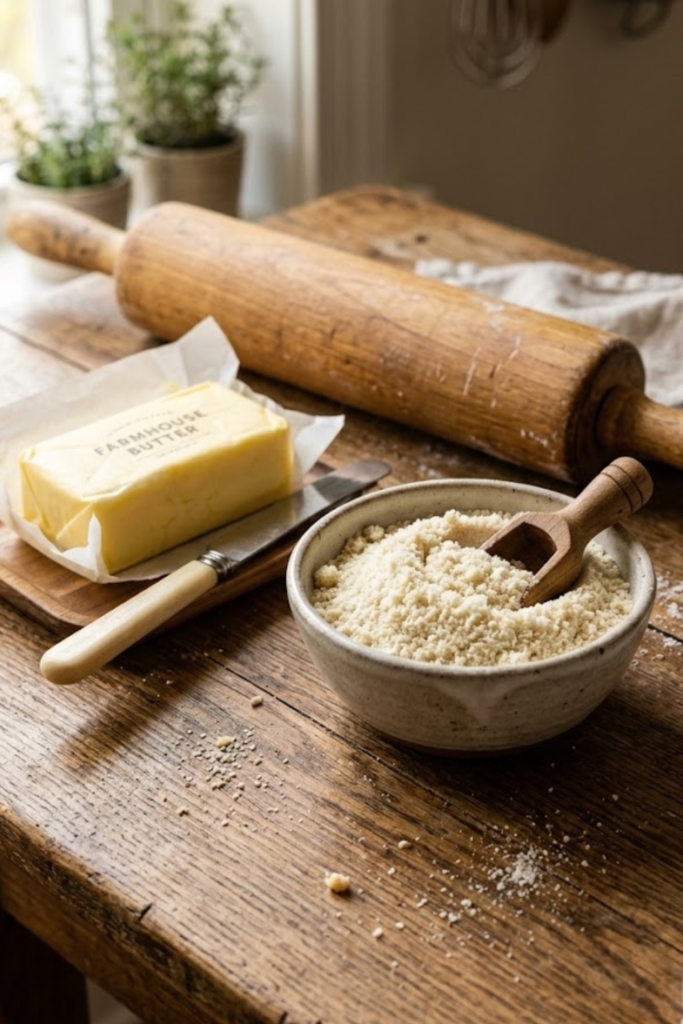
I’ve spent a lot of time trying to make a pie crust that doesn’t taste like cardboard or fall apart the second you touch it. When you stop using wheat flour, things get a little tricky because you lose that “glue” that holds everything together. That is where almond flour comes in. It has a naturally sweet, nutty flavor that actually tastes better than white flour in my book.
The real trick I found is mixing a little bit of coconut flour with the almond flour. Almond flour is oily, and coconut flour is very dry, so they balance each other out. If you only use almond flour, the crust can get greasy. I also started adding a tiny bit of xanthan gum. I know the name sounds like a science project, but it’s just a fiber that helps the dough stay stretchy so you can actually fold it over your pie dish without it shattering into a million pieces.
You also have to keep your butter very cold. I like to cut mine into small cubes and put them back in the fridge for ten minutes before I mix them in. When those little cold bits of butter melt in the oven, they create tiny pockets of air. That’s how you get a crust that feels light and flaky instead of dense like a cookie. It took me three tries to get this right, but once you feel that texture, you’ll never go back to the store-bought stuff.
I think people get scared of grain-free baking because they think it has to be complicated. Honestly, it’s mostly about how you handle the dough. If you overwork it with warm hands, the butter melts too early and you lose all that beautiful lift. I always tell my friends to treat it gently, almost like you’re handling a delicate craft project. Also, don’t be afraid of the smell—almond flour has this rich, toasted scent that fills the kitchen way before the pie is even done. It’s a total game changer for anyone who misses the comfort of a Sunday dessert but wants to stay away from heavy grains. Once you master this base, you can use it for savory tarts or even quiches, making it a real workhorse in your low carb kitchen.
Picking the Perfect Berries for a Juicy Low Carb Filling
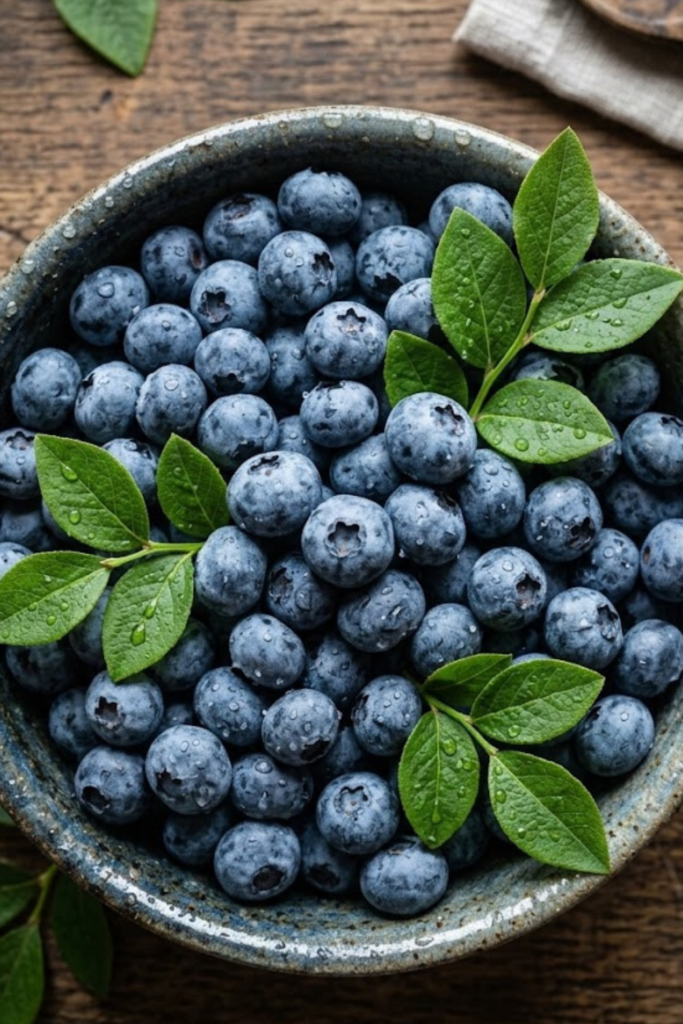
When I first started making this pie, I thought any old berry would do. I quickly learned that the type of blueberry you choose totally changes how the inside of your pie turns out. I usually grab the fresh, plump ones from the farmer’s market when they are in season because they hold their shape better. If you have to use frozen berries, that is fine too! Just make sure you don’t thaw them first, or you’ll end up with a purple soup instead of a pie.
The biggest challenge with a sugar-free filling is getting that thick, gooey texture. Since we aren’t using cornstarch—which is basically just a giant pile of carbs—I had to get creative. I found that a little bit of xanthan gum or even some ground chia seeds works like a charm. They soak up the extra juice without making the fruit taste chalky.
For the sweetness, I’m a big fan of using a monk fruit and erythritol blend. Pure erythritol can sometimes leave a weird cooling sensation in the back of your throat, almost like mint, which is not what you want in a warm pie. The blend tastes much more like the real deal. I also toss in a squeeze of lemon juice and some zest. It really wakes up the flavor of the berries and makes the whole house smell incredible while it’s in the oven.
I also like to mix in a tiny bit of cinnamon, not so much that it tastes like a spice cake, but just enough to bring out the natural sweetness of the fruit. If you can find wild blueberries, grab them! They are smaller and have a much deeper flavor than the giant ones you see in most grocery stores. I’ve noticed that the smaller berries actually release less water, which helps keep the crust from getting soft. Don’t be afraid to taste a berry before you toss them in the bowl; if they are sour, you might need an extra spoonful of your sweetener. It’s all about adjusting as you go to get that perfect balance of tart and sweet.
Step-by-Step Guide to the Flakiest Keto Crust
Mixing this base is all about balance. I usually grab my favorite bowl and whisk together the almond flour, a spoonful of coconut flour, and a pinch of salt. The coconut flour is important because it acts like a sponge for any extra moisture. If you leave it out, the crust can end up feeling a bit greasy.
Once the dry stuff is mixed, I crumble in that cold butter I mentioned earlier. You want it to look like coarse breadcrumbs. Now, here is the part where most people mess up: rolling it out. Since there is no gluten, this dough wants to stick to everything. I always roll mine between two big sheets of parchment paper. It makes it so much easier to move. If it starts getting too soft or sticky, just pop it in the freezer for five minutes to firm back up.
After you get it into the pan, you have to do what pros call “blind baking.” This just means cooking the bottom crust by itself for about 8 to 10 minutes before you even think about adding the blueberries. I learned this the hard way after serving a few pies that were crunchy on the edges but mushy on the bottom. Giving the crust a head start in the oven makes sure every bite stays firm and delicious.
Baking and Cooling: Patience for the Perfect Slice
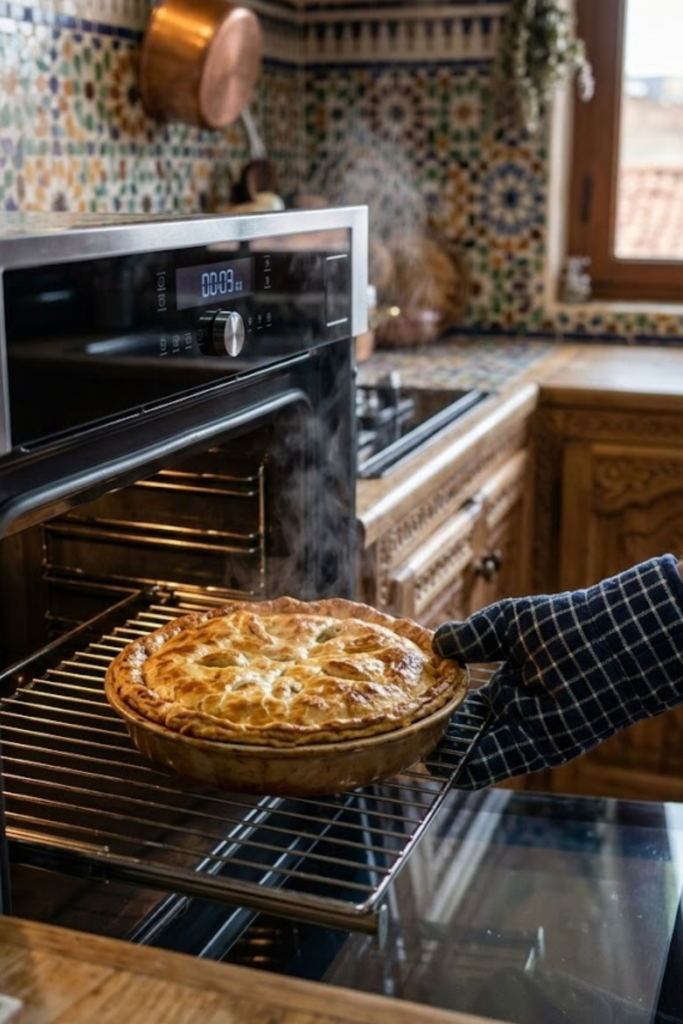
Getting the oven temperature right is the part that used to trip me up the most. Almond flour is much more sensitive than regular flour, and it can go from golden to burnt in a heartbeat. I usually set my oven to about 325 or 350 degrees. If you see the edges of the crust getting dark too fast while the middle is still bubbling away, don’t panic! Just grab some strips of aluminum foil and wrap them around the rim of the pie plate. It’s like a little sun hat for your pie that keeps the crust from overcooking.
The hardest part of this whole process isn’t the mixing or the rolling—it’s the waiting. When you pull that pie out of the oven, it’s going to look and smell so good you’ll want to dive right in. But if you cut it while it’s hot, the filling will just run all over the plate like a purple river.
Since we used low carb thickeners instead of flour or cornstarch, they need time to “set up” as they cool down. I try to leave mine on the counter for at least two or three hours. I’ve even found that letting it sit in the fridge overnight makes the texture even better. It gives the flavors a chance to meld together, and the crust stays nice and crisp. Trust me, your patience will pay off when you finally get that perfect, clean slice.
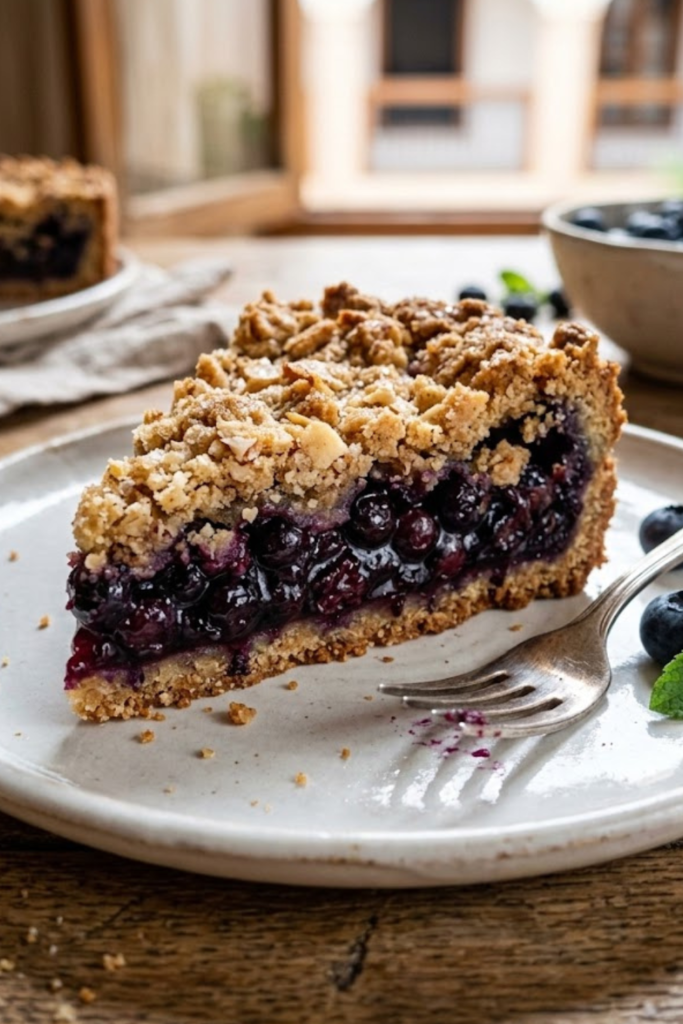
Making a Low Carb Blueberry Pie with Almond Flour Crust doesn’t have to be a nightmare in the kitchen. It’s really just about making a few simple swaps and having a little bit of patience while it cools. I’ve found that these small changes make a huge difference in how I feel after eating dessert. No sugar crash, no heavy feeling—just a really good piece of pie that actually tastes like real food.
I hope you give this one a try next time you have some extra blueberries sitting around. It’s become a total staple in my house, and I bet your friends won’t even know it’s keto unless you tell them! If you end up making it, please share this recipe on Pinterest so more people can find a way to enjoy their favorite treats without all the sugar. Happy baking!