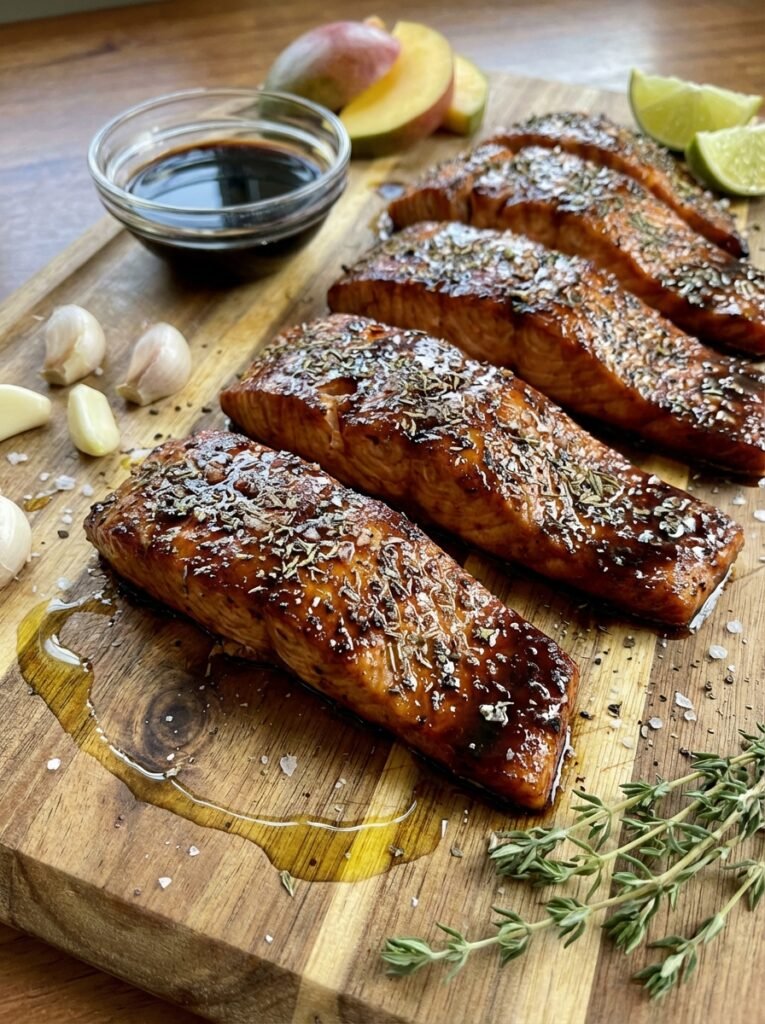
Keto balsamic glazed salmon fillets deliver a rich, tangy flavor profile ideal for a low carbohydrate dinner. This recipe features fresh salmon topped with a sweet, glossy balsamic reduction that creates an easy weeknight meal. Combining high-quality salmon with a sugar-free balsamic glaze ensures a dish that supports ketosis without sacrificing taste. The cooking process is straightforward, focusing on high heat to achieve a perfectly crispy skin while keeping the interior moist and flaky.
| Prep Time | Cook Time | Total Time | Servings | Difficulty | Cuisine |
|---|---|---|---|---|---|
| 10 minutes | 15 minutes | 25 minutes | 4 | Easy | American |
Why This Recipe Works
This keto balsamic glazed salmon fillets recipe works because it leverages the natural oils in salmon to create a self-basting, moist result. I rely on the acidity of balsamic vinegar to tenderize the fish while providing a tangy counterpoint to the rich omega-3 fats. The reduction process concentrates the sugars naturally present in the vinegar, creating a sticky glaze without adding net carbohydrates. Cooking at high heat ensures the skin becomes delightfully crispy, which adds essential texture to the soft fillet. Finally, the simplicity of the ingredient list makes this an accessible dish for cooks of all skill levels.
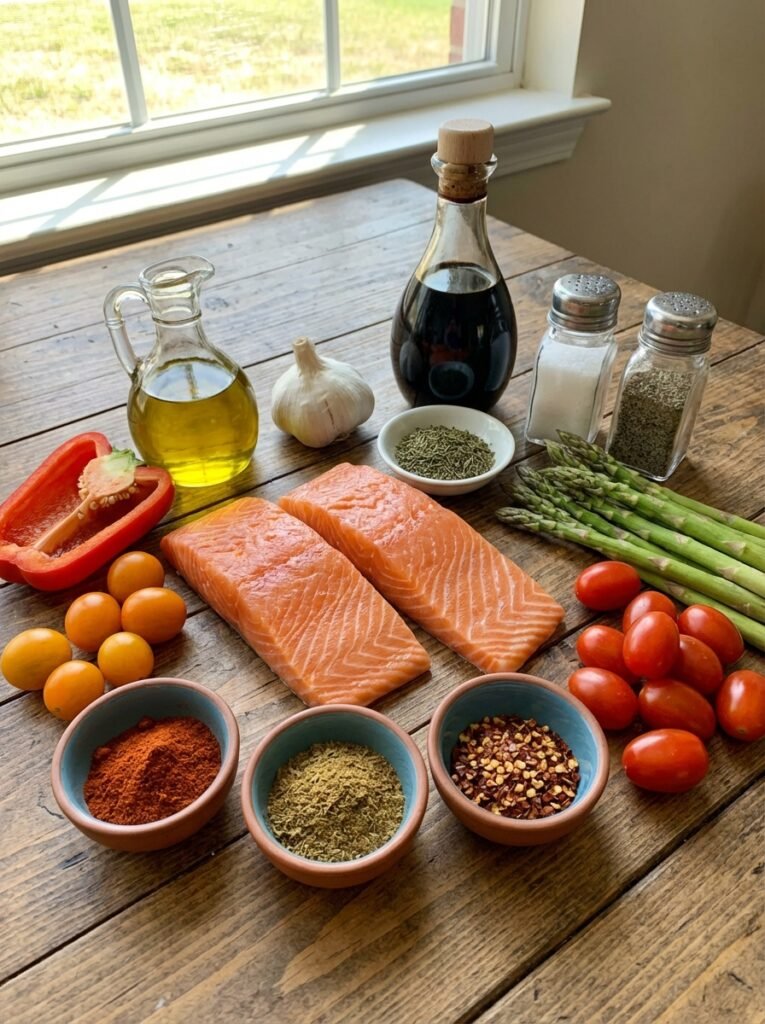
Ingredients
| Ingredient | Quantity | Notes with alternatives |
|---|---|---|
| Salmon fillets | 4 (6-ounce) portions | Keep skin on for crisping; substitute with trout for similar texture |
| Avocado oil | 2 tablespoons | High smoke point; substitute with olive oil for different flavor profile |
| Balsamic vinegar | 1/2 cup | Use high-quality aged vinegar for best reduction; apple cider vinegar works but is tangier |
| Minced garlic | 2 cloves | Fresh is best; garlic powder can be used in a pinch |
| Dried thyme | 1 teaspoon | Substitute with fresh thyme or rosemary for herb variation |
| Salt | 1/2 teaspoon | Himalayan pink salt preferred; adjust to taste |
| Black pepper | 1/4 teaspoon | Freshly ground provides best aroma |
Step-by-Step Instructions
Prepare the Salmon
Preheat your oven to 400°F (200°C) to ensure even cooking. Pat the salmon fillets dry with paper towels to remove excess moisture for better crisping. Season both sides generously with salt and black pepper. This step establishes the foundational flavor and ensures the exterior sears properly.
Make the Glaze
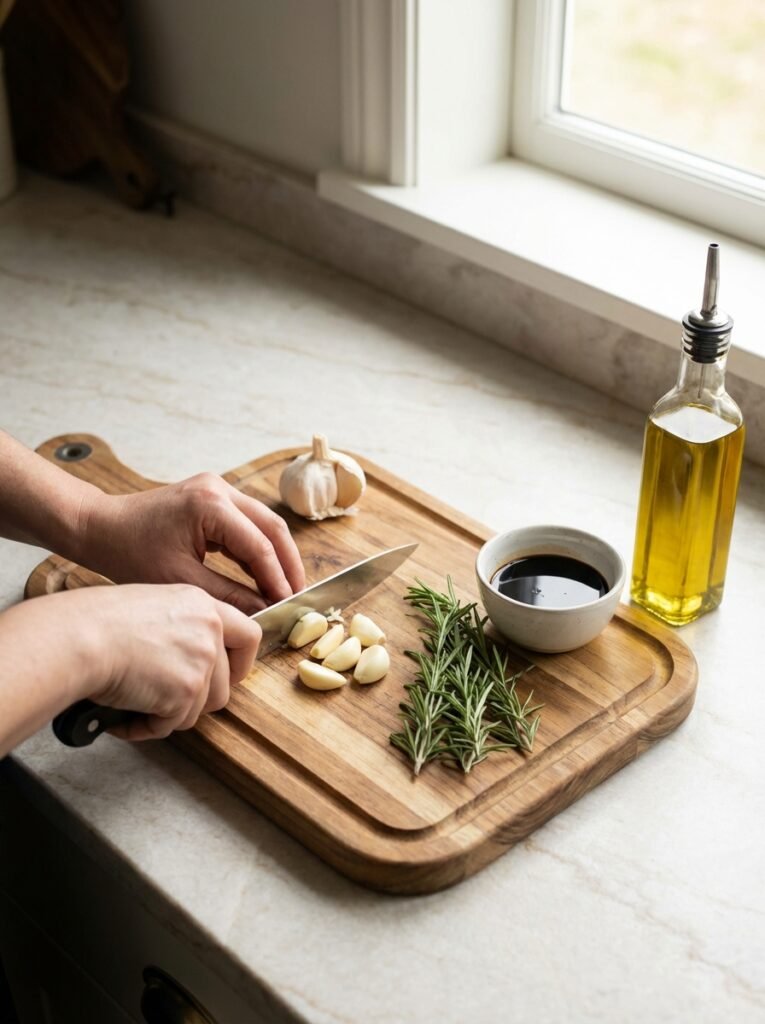
Combine balsamic vinegar, minced garlic, and dried thyme in a small saucepan over medium heat. Bring the mixture to a gentle boil, then reduce heat and simmer for 5-7 minutes until reduced by half. The liquid should coat the back of a spoon when ready. Remove from heat immediately to prevent burning.
Sear the Fillets
Heat avocado oil in a large oven-safe skillet over medium-high heat. Place salmon skin-side down and cook without moving for 4-5 minutes until the skin is crispy. The fish should release easily when the skin is properly seared. Flip the fillets carefully using a spatula.
Glaze and Bake
Brush the top of each fillet generously with the prepared balsamic glaze. Transfer the skillet to the preheated oven and bake for 5-7 minutes. The salmon is done when it reaches an internal temperature of 145°F (63°C). Remove from oven and let rest for 2 minutes before serving.
Chef Tips for Perfect Results
- Choose fillets of uniform thickness to ensure even cooking throughout the entire portion.
- Allow the salmon to rest at room temperature for 15 minutes before cooking for consistent doneness.
- Watch the glaze carefully during reduction; it burns quickly due to the concentrated natural sugars.
- Use an instant-read thermometer for precise temperature control and to prevent overcooking.
Common Mistakes to Avoid
- Overcooking the salmon results in dry, flaky meat; use a timer and thermometer for accuracy.
- Skip drying the fillets leads to steaming instead of searing; pat thoroughly with paper towels.
- Using low-quality balsamic vinegar creates a thin, watery glaze; invest in aged vinegar for thickness.
- Flipping the fish too early causes skin to stick; wait until it releases naturally from the pan.
Variations and Substitutions
| Ingredient | Substitution | Impact on Flavor |
|---|---|---|
| Balsamic vinegar | Red wine vinegar (non-alcoholic) | Tangier and less sweet; requires honey substitute for balance |
| Avocado oil | Ghee | Richer, nuttier flavor; higher saturated fat content |
| Dried thyme | Fresh basil | Herbaceous and bright; adds Mediterranean notes |
| Salmon | Arctic char | Similar fat content; slightly milder taste profile |
Serving Suggestions and Pairings
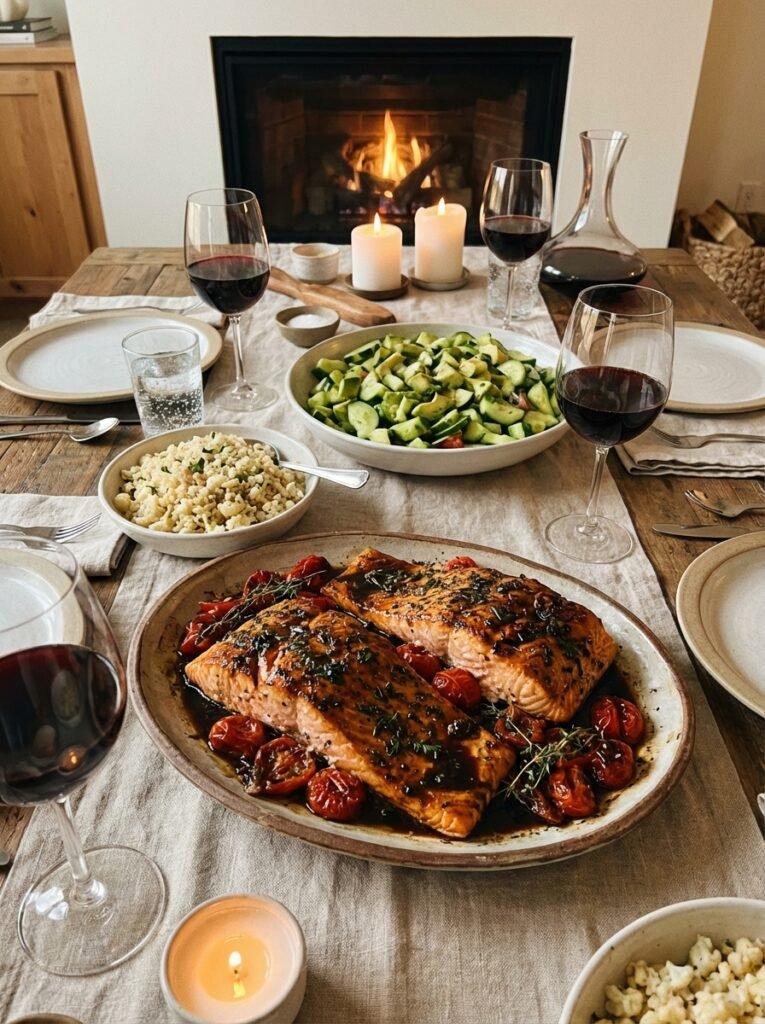
Serve keto balsamic glazed salmon fillets alongside roasted asparagus for a complete low-carb meal. Cauliflower rice makes an excellent base that absorbs the extra glaze beautifully. For a summer gathering, pair with a fresh spinach salad dressed in lemon vinaigrette. This dish fits perfectly into a romantic dinner or a casual family weeknight meal. Consider serving with a side of avocado slices for additional healthy fats.
Storage and Reheating
| Method | Duration | Instructions |
|---|---|---|
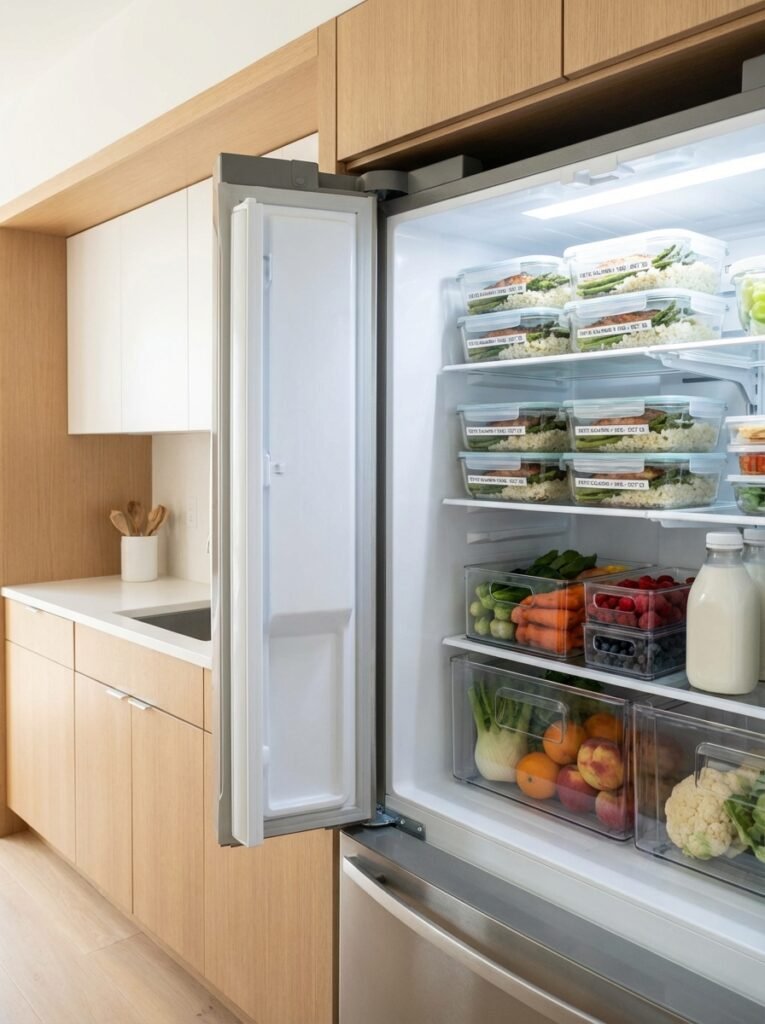
| Refrigerator | 3-4 days | Store in airtight container; separate glaze to maintain skin crispiness |
| Freezer | 1-2 months | Wrap tightly in plastic wrap then foil; thaw overnight in refrigerator |
| Oven Reheat | 10 minutes | 350°F (175°C); cover with foil to prevent drying out |
| Skillet Reheat | 3-4 minutes | Medium heat; add splash of water to steam gently |
Nutritional Information
| Nutrient | Amount per Serving |
|---|---|
| Calories | 340 kcal |
| Protein | 34g |
| Total Fat | 20g |
| Saturated Fat | 4g |
| Carbohydrates | 3g |
| Fiber | 0.5g |
| Sugar | 2g |
| Sodium | 320mg |
Approximate values based on standard ingredient brands.
Frequently Asked Questions
Can I use a different type of fish for this glaze?
Yes, you can substitute trout or arctic char for salmon in this recipe. These fish have similar fat content and texture, which ensures the glaze adheres properly. Adjust cooking time slightly as thinner fillets cook faster than salmon.
How do I know when the salmon is perfectly cooked?
Insert an instant-read thermometer into the thickest part of the fillet; it should read 145°F (63°C). The flesh will be opaque and flake easily with a fork. Avoid cooking beyond this temperature to prevent dryness.
Why did my glaze not thicken properly?
The glaze may not thicken if the heat is too low or the vinegar is diluted. Ensure you use high-quality balsamic vinegar and simmer over medium heat. Reducing the liquid by half creates the necessary syrup consistency.
Can I prepare the glaze ahead of time?
Yes, the glaze can be made up to three days in advance and stored in the refrigerator. Reheat gently on the stove before using to restore the ideal consistency. This makes weeknight meal preparation significantly faster.
What is the best way to reheat leftover salmon?
Reheat in a preheated oven at 350°F (175°C) covered with foil for about 10 minutes. Alternatively, use a skillet over medium heat with a splash of water to create steam. Avoid microwaving, as it can make the fish rubbery.
Is this recipe suitable for meal prep?
Absolutely, this keto balsamic glazed salmon fillets recipe is ideal for meal prep. Store portions in airtight containers in the refrigerator for up to four days. The glaze helps keep the fish moist during storage.
Can I make this recipe dairy-free?
This recipe is naturally dairy-free, as it relies on oil and vinegar for flavor. Ensure your cooking utensils are clean to avoid cross-contamination. Ghee is a substitution option but introduces dairy.
What sides pair best with this keto dish?
Roasted vegetables such as broccoli or zucchini complement the rich flavors perfectly. Cauliflower rice or a fresh green salad also balances the meal nutritionally. For more ideas, view our internal guide on keto side dishes.
How can I prevent the salmon skin from sticking?
Ensure the pan is fully heated before adding the fish and use adequate oil. Do not move the fillet until the skin naturally releases, usually after 4-5 minutes. A non-stick or well-seasoned cast iron skillet works best.
Can I freeze the glazed salmon after cooking?
Yes, cooked salmon freezes well for up to two months. Wrap portions tightly in plastic wrap and foil to prevent freezer burn. Thaw in the refrigerator overnight and reheat gently to maintain texture.
Conclusion
This keto balsamic glazed salmon fillets recipe provides a delicious, healthy option for anyone following a low-carbohydrate lifestyle. By following the step-by-step instructions, you can achieve a restaurant-quality meal at home with minimal effort. The combination of savory salmon and tangy balsamic glaze creates a memorable dining experience. Try this recipe tonight and enjoy the signature flavor that makes this dish a keto favorite.
Print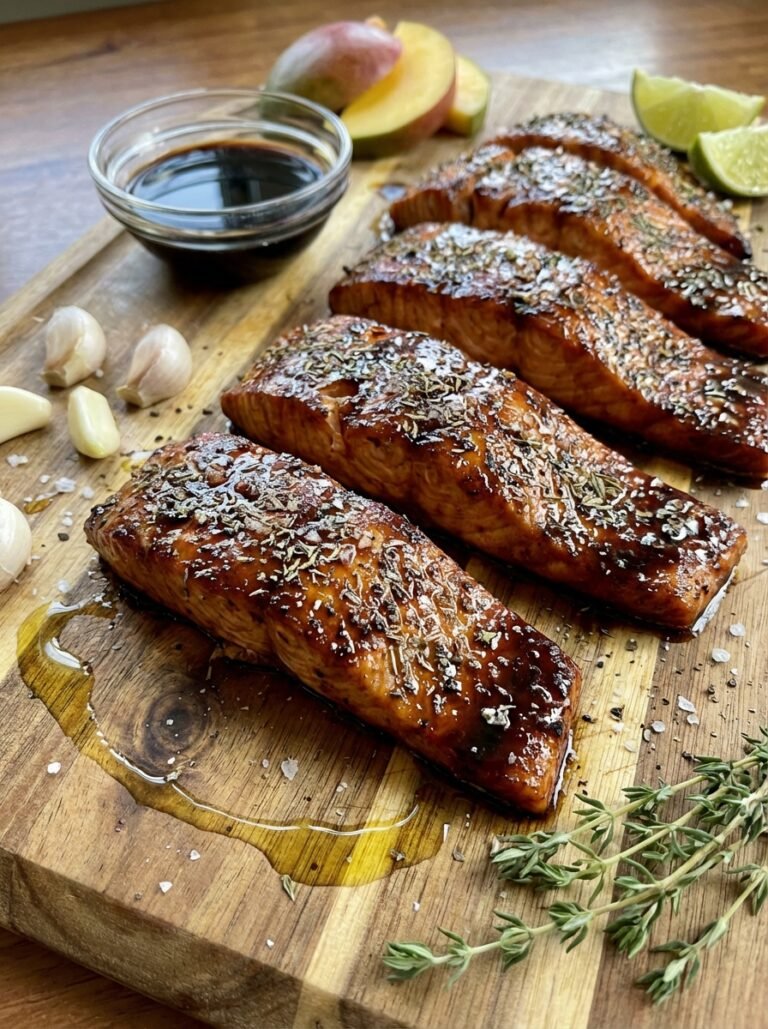
Keto Balsamic Glazed Salmon Fillets
Rich, tangy keto salmon with a glossy balsamic glaze. Pan-seared for a crispy crust and moist interior, this easy weeknight dinner supports ketosis with high protein and low carbs.
- Total Time: 25
- Yield: 4 servings 1x
Ingredients
4 (6-ounce) salmon fillets, skin on
2 tablespoons avocado oil
1/2 cup balsamic vinegar
2 cloves minced garlic
1 teaspoon dried thyme
1/2 teaspoon salt
1/4 teaspoon black pepper
Instructions
Preheat oven to 400°F (200°C) and line a baking sheet with parchment paper
Pat salmon fillets dry and season with salt, pepper, and thyme
Heat avocado oil in a large skillet over medium-high heat
Add garlic and sauté 1 minute, then deglaze with balsamic vinegar
Cook vinegar mixture 8-10 minutes until reduced to a thick glaze
Place salmon on prepared baking sheet, pour half the glaze over fillets
Bake 12-15 minutes until glaze is caramelized and salmon is flaky
Brush remaining glaze on top before serving
Notes
Trout is a quality substitute for salmon
Olive oil can replace avocado oil
Add fresh thyme or rosemary for variation
Let glaze thicken fully for best texture
- Prep Time: 10
- Cook Time: 15
- Category: Meals
- Method: Pan-searing, Baking
- Cuisine: American
- Diet: Keto
Nutrition
- Serving Size: 1 fillet (6 ounces)
- Calories: 380
- Sugar: 0g
- Sodium: 900mg
- Fat: 26g
- Saturated Fat: 3g
- Carbohydrates: 2g
- Fiber: 0g
- Protein: 38g
- Cholesterol: 110mg