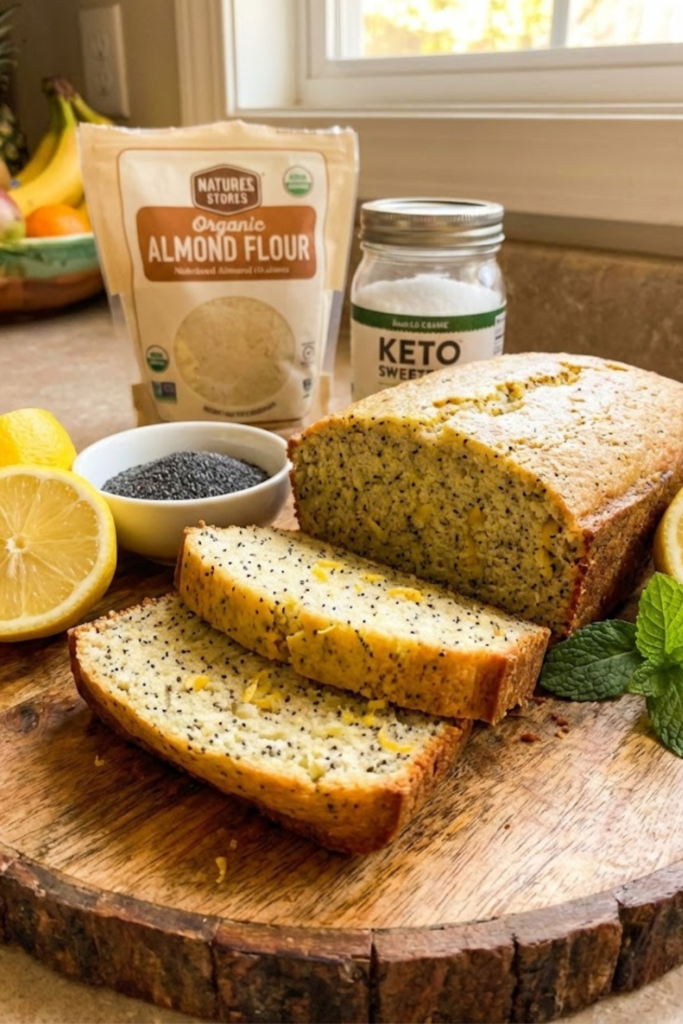
Did you know that lemons actually contain more sugar than strawberries? Crazy, right?! But don’t let that scare you off because this Keto Lemon Poppyseed Breakfast Loaf is my absolute go-to when I need a sunny pick-me-up without the carb crash. I remember my first attempt at keto baking—it was a literal brick that I wouldn’t even feed to my dog! Luckily, I’ve failed enough times to finally get this recipe perfect so you don’t have to struggle. Let’s get baking!
Master the Zest: Why Fresh Lemons are Non-Negotiable
If you’re anything like me, you’ve probably grabbed one of those little plastic lemon-shaped bottles of juice from the store because it’s easy. I used to do that all the time! But honestly, when I started making this keto loaf, I realized that the “fake” juice just doesn’t cut it. It tastes kind of metallic and flat. For a really good breakfast bread, you need that bright, punchy flavor that only comes from a real lemon.
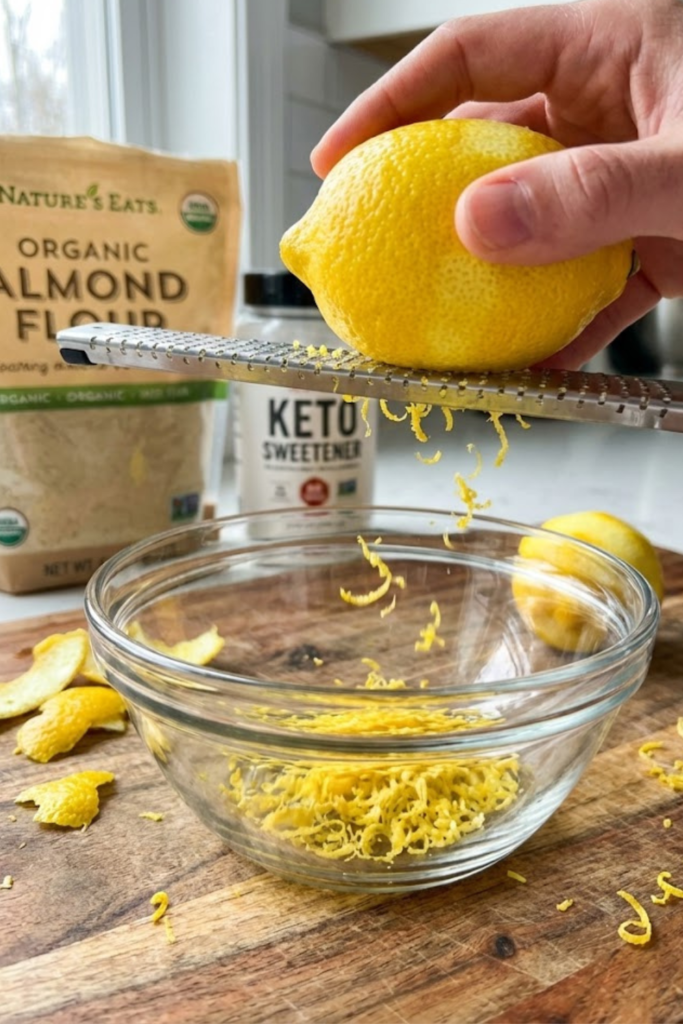
The secret isn’t actually in the juice—it’s in the skin. The yellow part of the peel, which we call the zest, is where all the natural oils live. That’s what gives the bread that amazing smell that fills up your whole kitchen. When you’re zesting, just be careful to only get the yellow part. If you grate too deep and hit the white stuff (the pith), it gets really bitter and can ruin the taste of your batter.
I also try to grab organic lemons if they’re on sale. Since we are literally eating the skin of the fruit in this recipe, it makes me feel better knowing there aren’t a bunch of weird pesticides hanging out in my breakfast. Just give them a good wash, grab your grater, and you’ll see exactly what I mean. The smell alone is enough to wake you up!
The Flour Power: Balancing Almond and Coconut Flour
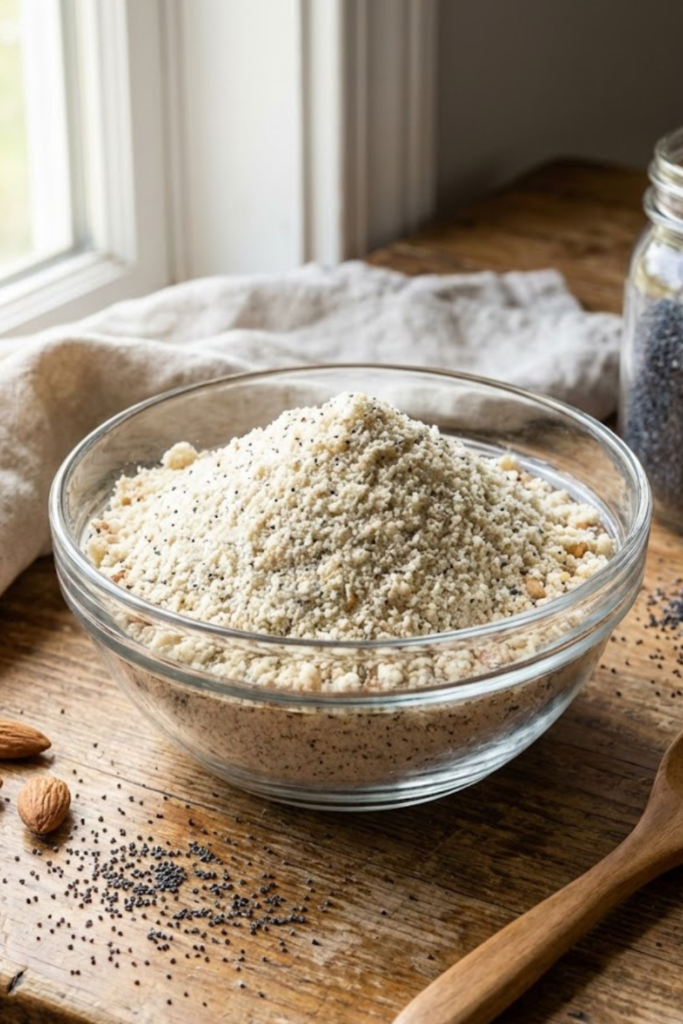
If you’ve ever tried baking with keto flours, you know they don’t act like regular wheat flour at all. I learned this the hard way! My first few loaves were basically just wet sand or super dry sponges. To get that perfect “cake” feel, you really need a mix. I found that a 3:1 ratio of almond flour to coconut flour is the sweet spot. Almond flour gives it that nice, moist richness because of the healthy fats, while coconut flour acts like a sponge to soak up the extra liquids. If you use only almond flour, it’s often too greasy. If you use only coconut flour, it’s like eating a brick.
When you’re shopping, make sure you buy “super-fine” blanched almond flour. If you get the coarse kind or “almond meal,” the bread will feel a bit gritty in your mouth, almost like there’s sand in it. Also, when measuring your coconut flour, don’t pack it down into the measuring cup like you might do with brown sugar. Just spoon it in gently and level it off with a flat knife. I also like to let the batter sit on the counter for about five minutes before I pour it into the pan. This gives the coconut flour a chance to really do its job and soak up the eggs and lemon juice, which helps the loaf stay together much better. If the batter looks a bit thin at first, don’t panic! It will thicken up as it sits.
One thing I always tell people is to sift your almond flour. It loves to clump up in the bag, especially if it’s been sitting in your pantry for a bit. If you don’t sift it or at least break it up really well with a fork, you’ll end up with little white balls of dry flour inside your bread. Trust me, biting into a dry flour pocket isn’t the morning surprise you want.
Also, don’t skip the xanthan gum. I know it sounds like a weird science experiment ingredient, but it’s just a thickener. Since there’s no gluten in this recipe, the bread wants to fall apart the second you try to slice it. The xanthan gum acts like the “glue” to hold everything together so you can actually pick up a slice and eat it with your hands. Just be careful not to use more than the recipe says, or the bread can get a little gummy. Without it, you’re just eating lemon-flavored crumbs with a spoon!
Avoiding the Sinking Loaf: Baking Tips for 2026
There is nothing worse than smelling that amazing lemon scent, looking through the glass, and then seeing your loaf collapse like a flat tire. It’s happened to me more times than I want to admit! One big thing I learned is that you really need to let your eggs sit out on the counter for a bit before you start. Cold eggs from the fridge make the fat in the recipe clump up, and then the bread doesn’t rise right.
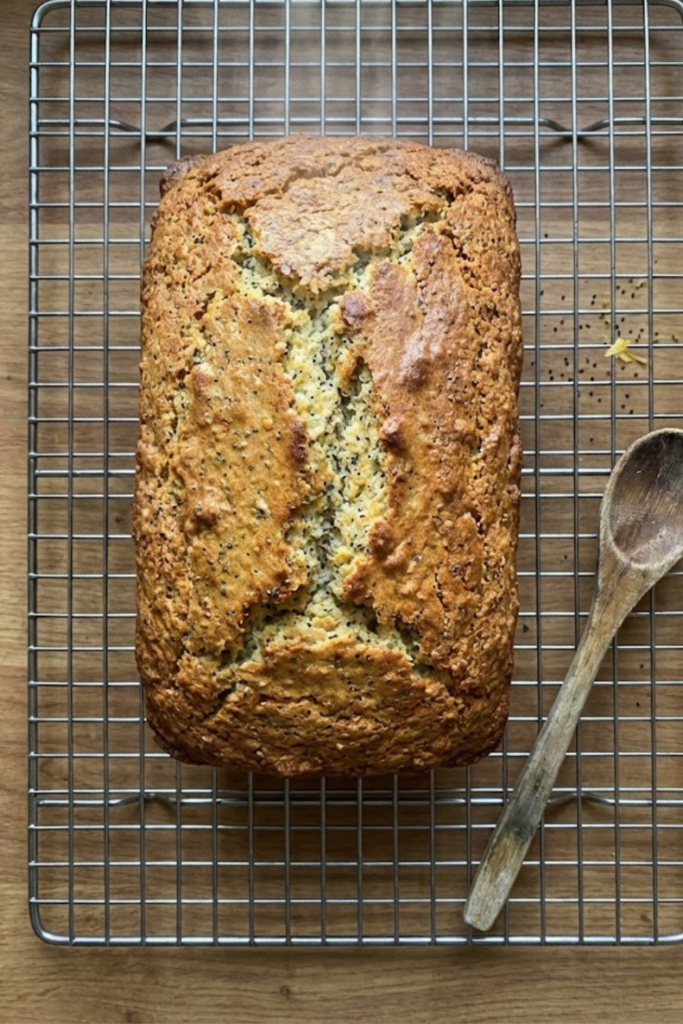
Another mistake I used to make was being way too impatient. I’d open the oven door every few minutes to check if it was done. Don’t do that! Every time you open that door, the heat drops and the loaf can sink in the middle because it hasn’t set yet. Just wait until the timer goes off. Use a toothpick to poke the center—if it comes out clean, you’re good. If it’s got wet batter on it, give it five more minutes.
Also, keep in mind that every oven is a little different. Mine runs a bit hot, so I usually check it early. If you live somewhere high up in the mountains, you might need to add an extra tablespoon of water or bake it a bit longer. It takes a little practice to get it perfect, but even the “ugly” loaves still taste great!
The “I Can’t Believe It’s Keto” Lemon Glaze
I’ve made a lot of mistakes with keto frostings over the years. One time I used way too much liquid stevia and it was so bitter I had to throw the whole cake away! For this loaf, you really want a thick, white glaze that looks like the real deal. The trick is using a powdered sweetener like monk fruit or erythritol. If you try to use the regular grainy stuff, it won’t melt right and you’ll feel like you’re eating sand. If you realize you only have the crunchy kind of sweetener in the pantry, don’t worry. You can just pulse it in a blender for thirty seconds until it turns into a fine powder—just wait a second for the “dust cloud” to settle before opening the lid or your whole kitchen will be covered in white powder!
Mixing it is easy, but you have to be careful. Add your lemon juice one teaspoon at a time. If you dump it all in at once, it gets too runny and just slides right off the bread onto the plate. You want it thick enough to sit on top of the loaf without moving too much. Sometimes I add a tiny drop of heavy cream if I want it to look extra white and creamy. This also helps take away that weird “cooling” sensation that some sugar alcohols can have on your tongue.
One more tip: please wait for the loaf to cool down all the way before you put the glaze on. I know you’re hungry and it smells amazing, but if the bread is still warm, the icing will just soak in and disappear. It still tastes good, but it won’t look pretty! I usually set a timer and go do some chores so I’m not tempted to pour it on too early. Also, try sprinkling a few extra poppyseeds or a bit of fresh zest over the glaze while it’s still wet. It makes the whole thing look so professional, and your family won’t even believe it’s actually healthy. If you have any bread left over, stick it in the fridge so the glaze stays nice and firm and doesn’t get sticky.
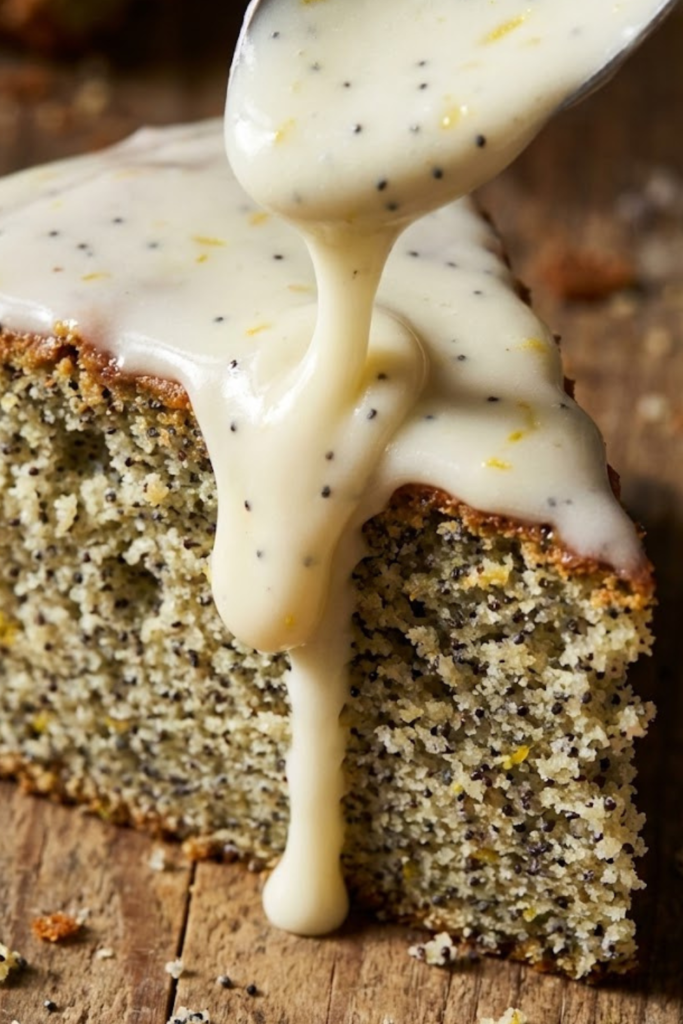
This Keto Lemon Poppyseed Breakfast Loaf is the ultimate proof that you don’t have to sacrifice taste for your health goals. By using fresh zest and the right flour blend, you get a moist, citrusy treat that keeps you in ketosis and satisfies your sweet tooth.
I honestly look forward to waking up when I know there is a thick slice of this waiting for me on the counter. It goes so well with a hot cup of coffee, and it is a total lifesaver for those busy weekday mornings when you need something quick that won’t make your blood sugar spike. I have shared this loaf with my friends who are not even following a low-carb diet, and they had no idea it was sugar-free! I hope this becomes a new favorite in your kitchen just like it is in mine. If you loved this recipe, please save it and share it on Pinterest so others can enjoy a guilt-free breakfast too! Happy baking, and let me know how yours turns out!