Miso cabbage steaks are thick-cut slices of head cabbage roasted until tender and caramelized, then brushed with a savory miso glaze that creates an irresistible umami-rich vegetable dish. This simple yet elegant recipe transforms humble cabbage into a restaurant-quality side dish or main course that takes just 30 minutes from start to finish. Miso cabbage steaks work beautifully as a weeknight dinner component, meal prep staple, or impressive vegetable course for gatherings. The miso-based sauce adds depth and complexity while the high-heat roasting develops a golden crust and sweet, tender interior. Whether you follow a plant-based diet, seek quick vegetable recipes, or want to explore Asian-inspired cooking, miso cabbage steaks deliver satisfying flavor and impressive presentation with minimal effort.
| Prep Time | Cook Time | Total Time | Servings | Difficulty | Cuisine |
|---|---|---|---|---|---|
| 10 minutes | 25 minutes | 35 minutes | 4 servings | Easy | Asian-Inspired |
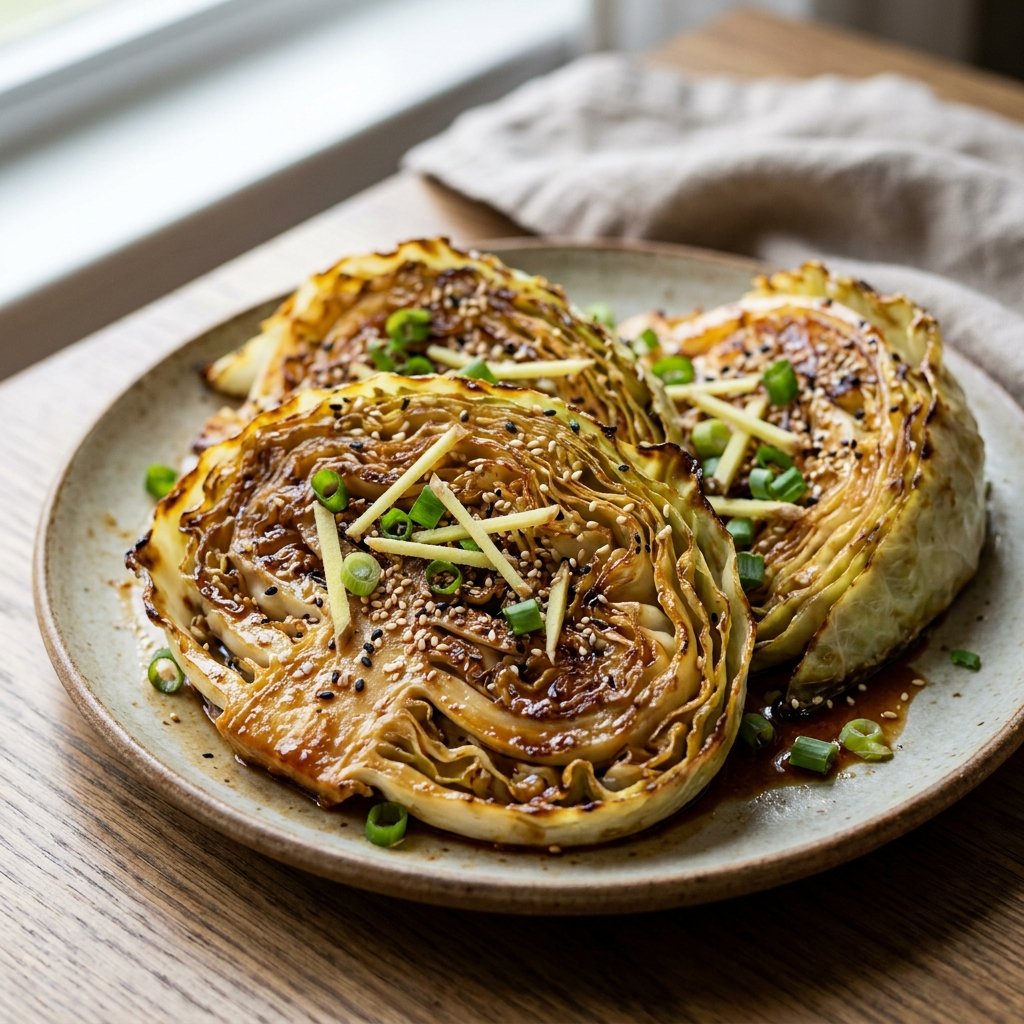
Table of Contents
Table of Contents
Why Miso Cabbage Steaks Works
Miso cabbage steaks succeed because they combine high-heat roasting with fermented umami flavors that elevate a simple vegetable into something truly memorable. From my experience developing plant-based recipes, I’ve found that thick-cut cabbage steaks hold their structure during roasting while developing a caramelized exterior that mimics the texture of steak. The miso glaze adds salty, complex depth that transforms cabbage from a bland side into the star of the plate. Miso cabbage steaks deliver impressive visual appeal without complicated techniques, making them perfect for home cooks of any skill level.
The magic of miso cabbage steaks lies in the interplay between the sweet caramelized cabbage and the savory miso sauce. When you roast cabbage at high temperature, the natural sugars caramelize, creating depth and sweetness that pairs beautifully with fermented miso’s umami richness. This combination satisfies even non-vegetable enthusiasts who might otherwise skip their vegetables. I’ve served miso cabbage steaks at dinner parties and watched skeptical guests ask for seconds, proving this recipe converts cabbage skeptics into enthusiasts.
Miso cabbage steaks also excel because they’re incredibly adaptable to different diets and ingredient preferences. The recipe naturally accommodates vegan, vegetarian, gluten-free, and dairy-free eating patterns with minimal substitutions. You can prepare miso cabbage steaks ahead and reheat them, making them ideal for meal planning. The roasted texture holds up well through storage, and the miso glaze actually intensifies in flavor as it sits, improving the dish over 24 to 48 hours.
Beyond the practical benefits, miso cabbage steaks offer genuine nutritional value that tastes indulgent. Cabbage contains vitamins C and K, fiber, and powerful antioxidants that support digestive health. Miso adds probiotics from fermentation that benefit gut health. When you prepare miso cabbage steaks, you’re serving a vegetable dish that nourishes your body while delivering restaurant-level satisfaction and flavor complexity.
Miso Cabbage Steaks Ingredients
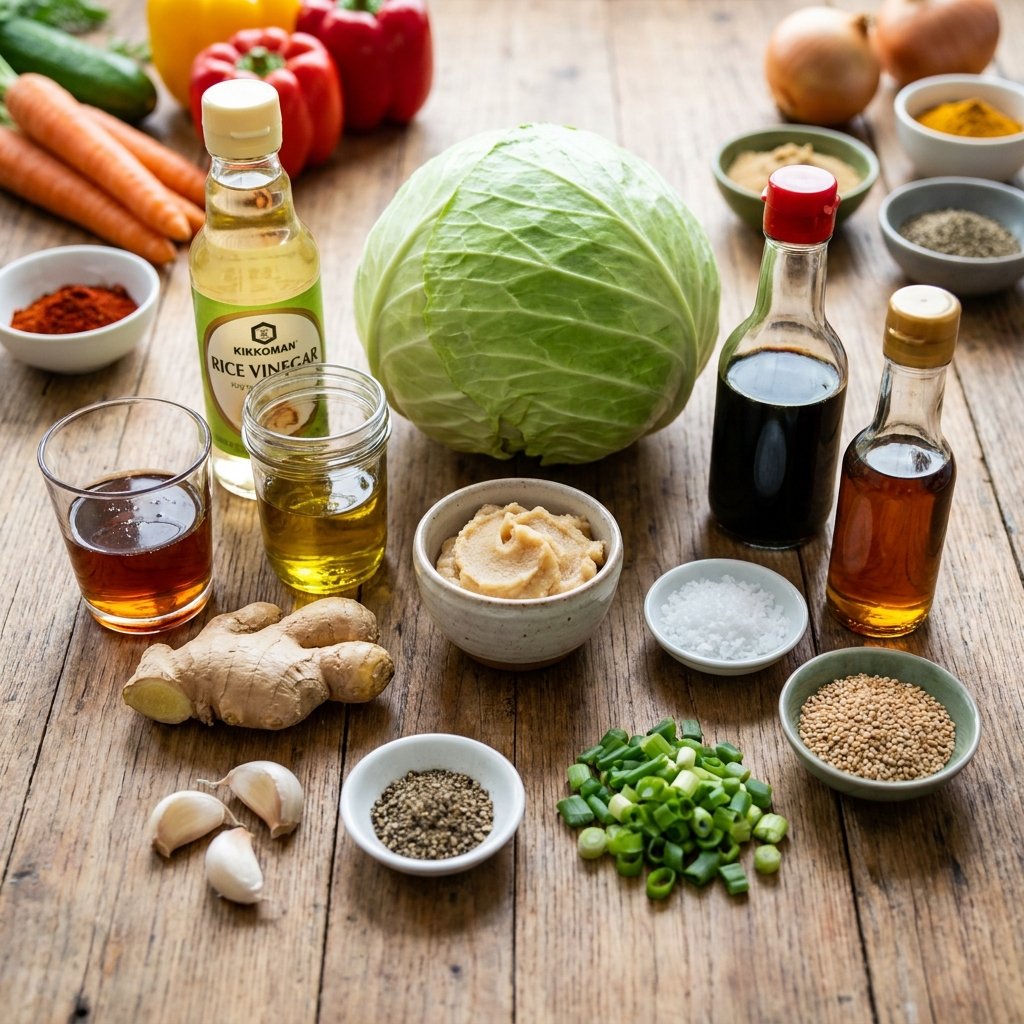
Gather these simple, high-quality ingredients to prepare exceptional miso cabbage steaks that rival restaurant versions while staying budget-friendly and accessible.
| Ingredient | Quantity | Notes with Alternatives |
|---|---|---|
| Green or Napa cabbage | 1 large head (about 2 pounds) | Choose firm heads with tight layers. Napa cabbage offers more delicate texture; green cabbage provides earthier flavor. Red cabbage works but will stain and requires longer roasting. |
| White miso paste | 3 tablespoons | Use authentic Japanese white miso for best umami depth. Red or mixed miso works but delivers stronger, saltier flavor. Ensure your miso is fermented and contains no alcohol. |
| Olive oil | 3 tablespoons | Use extra-virgin olive oil for richer flavor or regular olive oil for lighter taste. Neutral vegetable oil or avocado oil substitutes work if needed. |
| Rice vinegar | 2 tablespoons | White rice vinegar provides clean, gentle acidity. Apple cider vinegar substitutes but adds different flavor profile. Red rice vinegar works for deeper taste. |
| Maple syrup or agave nectar | 1 tablespoon | Maple syrup adds warmth; agave provides neutral sweetness. Honey substitutes for non-vegan versions. Brown sugar works if you prefer earthier sweetness. |
| Fresh ginger | 1 tablespoon minced | Use fresh ginger root for optimal flavor. Ground ginger substitutes at 1 teaspoon but lacks fresh brightness. Skip if allergic or unavailable. |
| Garlic cloves | 2 cloves minced | Fresh garlic delivers sharp, punchy flavor. Garlic powder substitutes at 1/2 teaspoon. Skip for milder, less pungent results. |
| Low-sodium soy sauce or tamari | 1 tablespoon | Tamari offers gluten-free option. Coconut aminos substitutes for soy allergy. Low-sodium versions prevent oversalting the glaze. |
| Sesame oil (optional) | 1 teaspoon | Toasted sesame oil adds nutty depth. Omit for lighter flavor or if allergic to sesame. |
| Sea salt and black pepper | To taste | Season cabbage before roasting and adjust glaze seasoning after tasting. Kosher salt works interchangeably. |
| Fresh green onions and sesame seeds | For garnish | Green onions add fresh bite and visual appeal. Sesame seeds provide nutty crunch. Both optional but recommended for finishing. |
Quality ingredients transform miso cabbage steaks from ordinary to extraordinary, so choose fresh cabbage, authentic miso paste, and pure seasonings. The miso paste quality especially impacts the final dish’s complexity and depth, so invest in real fermented miso rather than miso-flavored blends.
How to Make Miso Cabbage Steaks
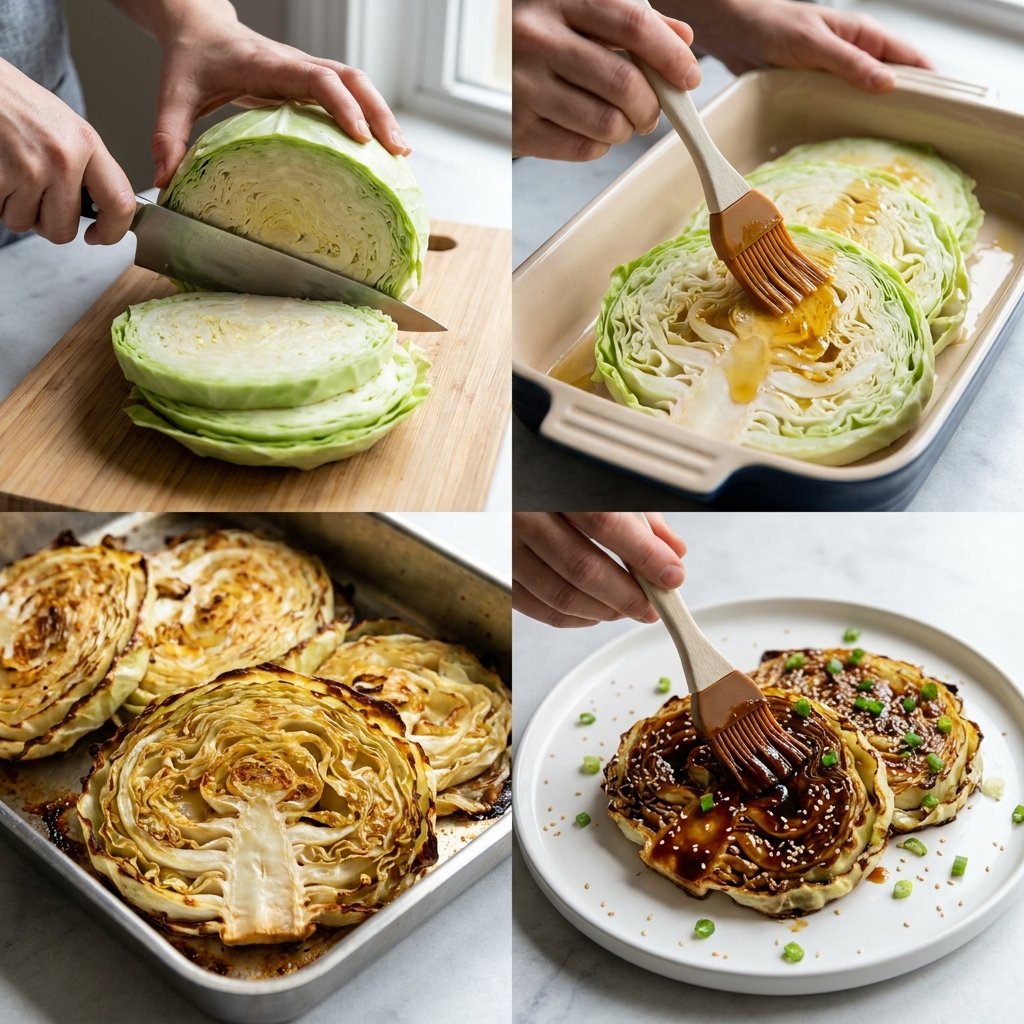
Transform cabbage into restaurant-quality miso cabbage steaks through straightforward steps that combine simple preparation with high-heat roasting and finishing glaze application.
Prepare the Cabbage
- Preheat your oven to 425 degrees Fahrenheit and line a large baking sheet with parchment paper or light aluminum foil.
- Rinse the cabbage head under cool water and pat completely dry with paper towels to ensure even browning.
- Place the cabbage on a cutting board with the stem-side up and carefully slice vertically into 1-inch-thick steaks, creating 4 to 6 substantial pieces from one head.
- Arrange the cabbage steaks in a single layer on the prepared baking sheet, leaving a half-inch gap between each piece for air circulation.
- Brush both sides of each miso cabbage steak lightly with olive oil and season generously with sea salt and freshly ground black pepper.
Roast the Miso Cabbage Steaks
- Place the baking sheet in the preheated oven for 12 to 15 minutes until the cabbage edges begin browning lightly.
- Remove the pan and carefully flip each miso cabbage steak using tongs or a spatula to ensure both sides roast evenly.
- Return to the oven for another 10 to 12 minutes until the cabbage is completely tender and the edges are deeply caramelized and crispy.
- Test doneness by piercing the thickest part with a fork; it should slide through without resistance while maintaining its structure.
Prepare and Apply the Miso Glaze
- While the miso cabbage steaks roast, whisk together white miso paste, rice vinegar, maple syrup, minced ginger, minced garlic, soy sauce, and toasted sesame oil in a small bowl until completely smooth.
- Taste the glaze and adjust seasonings, adding more miso for depth, vinegar for brightness, or maple syrup for sweetness as desired.
- Remove the roasted miso cabbage steaks from the oven and brush the miso glaze generously over the top of each piece using a pastry brush or small spoon.
- Return the glazed miso cabbage steaks to the oven for 2 to 3 minutes, allowing the glaze to set and caramelize slightly on the surface.
- Remove from the oven and arrange on a serving platter, garnishing with sliced green onions and a sprinkle of sesame seeds while still warm.
Chef Tips for Perfect Miso Cabbage Steaks
Professional techniques elevate miso cabbage steaks from good to exceptional by ensuring proper texture, caramelization, and flavor balance throughout cooking.
- Dry the cabbage thoroughly before roasting: Moisture prevents proper browning and caramelization, so pat each steaks completely dry with paper towels. This step alone makes the difference between steamed cabbage and crispy-edged miso cabbage steaks.
- Don’t overcrowd the baking sheet: Arrange miso cabbage steaks with at least a half-inch gap to allow hot air circulation around each piece. Crowding creates steam that prevents caramelization and extends cooking time significantly.
- Flip the steaks halfway through roasting: This ensures both sides develop equal caramelization and tenderness. Use a sturdy spatula to prevent the pieces from breaking apart during flipping.
- Use high heat for proper caramelization: Roast miso cabbage steaks at 425 degrees Fahrenheit rather than lower temperatures to achieve the crispy, caramelized exterior that distinguishes this recipe. Lower temperatures result in steamed rather than roasted texture.
- Apply the miso glaze only during the final minutes: Adding glaze too early causes burning and bitterness. Apply the miso-based sauce in the last two to three minutes so it sets without charring.
- Balance the glaze carefully: White miso paste alone tastes very salty, so the rice vinegar and maple syrup are essential for balance. Taste the glaze before applying to ensure proper seasoning, adjusting as needed for your taste preferences in this miso cabbage steaks recipe.
Common Miso Cabbage Steaks Mistakes to Avoid
Understanding these frequent pitfalls helps you execute perfect miso cabbage steaks on your first attempt while avoiding disappointment and wasted ingredients.
- Mistake: Slicing the cabbage too thin — Many home cooks cut miso cabbage steaks into half-inch pieces, creating thin slices that fall apart during roasting and flipping. The half-inch slices also lack the satisfying steak-like presentation and texture. Fix this by cutting sturdy one-inch-thick slices that hold their structure during roasting and deliver the signature miso cabbage steaks experience.
- Mistake: Not removing the core completely — Leaving the core attached seems convenient but the core roasts unevenly, creating hard, woody texture in some areas while other sections become mushy. Remove the core completely to ensure even cooking and consistent tenderness throughout your miso cabbage steaks.
- Mistake: Roasting at temperature that’s too low — Many recipes suggest 375 or 400 degrees, which simply steams the cabbage rather than creating caramelization. The miso cabbage steaks won’t develop that crucial crispy exterior and deep browning that makes this dish special. Use 425 degrees consistently.
- Mistake: Applying glaze before the cabbage is cooked — When you add miso glaze during the initial roasting, it scorches and becomes bitter, ruining the entire batch of miso cabbage steaks. Always wait until the final minutes after the cabbage is tender to brush the glaze, allowing just enough time for it to set without burning.
- Mistake: Using excessive miso without balancing flavors — Too much miso paste creates an overwhelming salty, funky result that overshadows the sweet roasted cabbage. The rice vinegar and maple syrup are essential for balance. This miso cabbage steaks recipe deliberately includes these components to create harmony.
- Mistake: Skipping the green onion and sesame seed garnish — Many cooks serve miso cabbage steaks plain, missing the opportunity to add fresh brightness, visual appeal, and textural contrast that separate restaurant-quality from home versions. These garnishes are not optional extras but essential finishing elements.
Best Miso Cabbage Steaks Variations and Substitutions
Creative variations expand your miso cabbage steaks repertoire while accommodating different dietary needs, flavor preferences, and ingredient availability while maintaining the recipe’s essential character.
| Ingredient | Substitution | Impact on Flavor |
|---|---|---|
| White miso paste | Red miso paste | Delivers deeper, more intense umami with earthier, slightly spicier undertones. Miso cabbage steaks become more robust and complex but less delicate. |
| White miso paste | Chickpea miso or other legume-based miso | Creates different umami profile while maintaining fermented complexity. These miso cabbage steaks variations suit those with soy allergies or seeking different flavor dimensions. |
| Maple syrup | Date paste or coconut sugar | Date paste adds deeper sweetness and molasses-like notes. Coconut sugar provides lighter sweetness. These miso cabbage steaks variations shift the sweetness character while maintaining the glaze’s essential balance. |
| Fresh ginger | Fresh turmeric or lemongrass | Turmeric creates earthy, slightly bitter notes. Lemongrass adds bright, floral citrus character. These miso cabbage steaks variations introduce completely different Asian flavor profiles. |
| Rice vinegar | Apple cider vinegar or champagne vinegar | Apple cider adds deeper, slightly fruity acidity. Champagne vinegar contributes delicate, refined tartness. These miso cabbage steaks variations change the acidity’s character and intensity. |
| Sesame oil | Walnut oil or truffle oil | Walnut oil delivers earthy, nutty notes. Truffle oil adds luxury and earthy richness. These miso cabbage steaks variations completely transform the finishing flavor dimension. |
| Standard cabbage | Brussels sprouts or cauliflower steaks | Vegetable changes while maintaining the miso glaze concept. Brussels sprouts provide peppery intensity; cauliflower offers milder, creamier texture in miso cabbage steaks adaptations. |
| Soy sauce | Tamari or coconut aminos | Tamari offers gluten-free option with similar depth. Coconut aminos provide lighter, slightly sweeter saltiness. These miso cabbage steaks variations accommodate dietary restrictions without compromising flavor. |
Experiment with these miso cabbage steaks variations to discover your favorite flavor combinations while maintaining the recipe’s reliable structure and satisfying character.
Serving Suggestions for Miso Cabbage Steaks
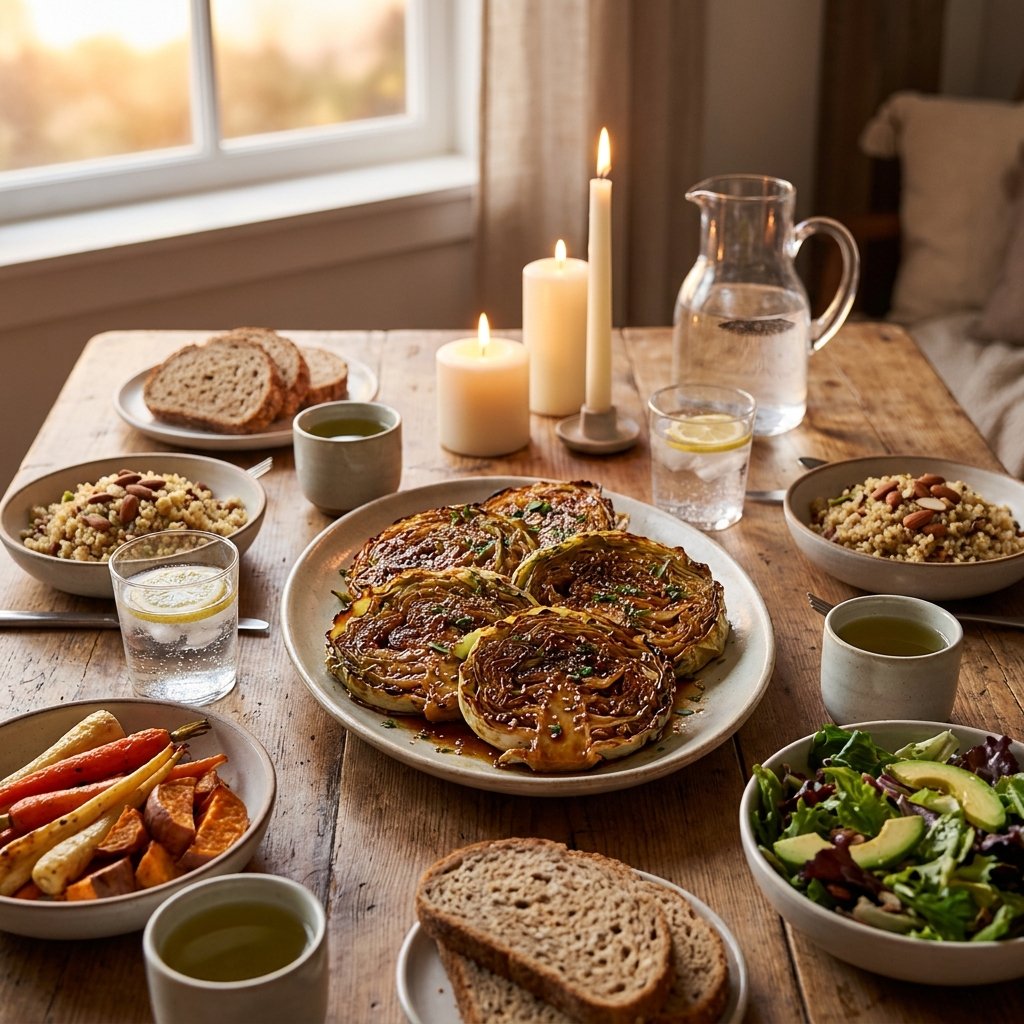
Strategic serving approaches transform miso cabbage steaks from side dish into complete meal experiences that satisfy across different occasions, dietary approaches, and entertaining situations.
Serve miso cabbage steaks as a vegetable side dish alongside grain bowls filled with quinoa or brown rice, adding chickpeas or tofu for protein and creating well-balanced plant-forward weeknight dinners. The roasted cabbage’s natural sweetness and miso glaze’s umami richness complement grain bowls beautifully while adding textural contrast.
Create impressive vegetable-forward dinner party presentations by plating miso cabbage steaks alongside roasted root vegetables, fresh greens with vinaigrette, and crusty bread for a sophisticated yet simple gathering meal. Guests consistently request recipe details when miso cabbage steaks appear on the dinner table, making them reliable for entertaining without extensive preparation.
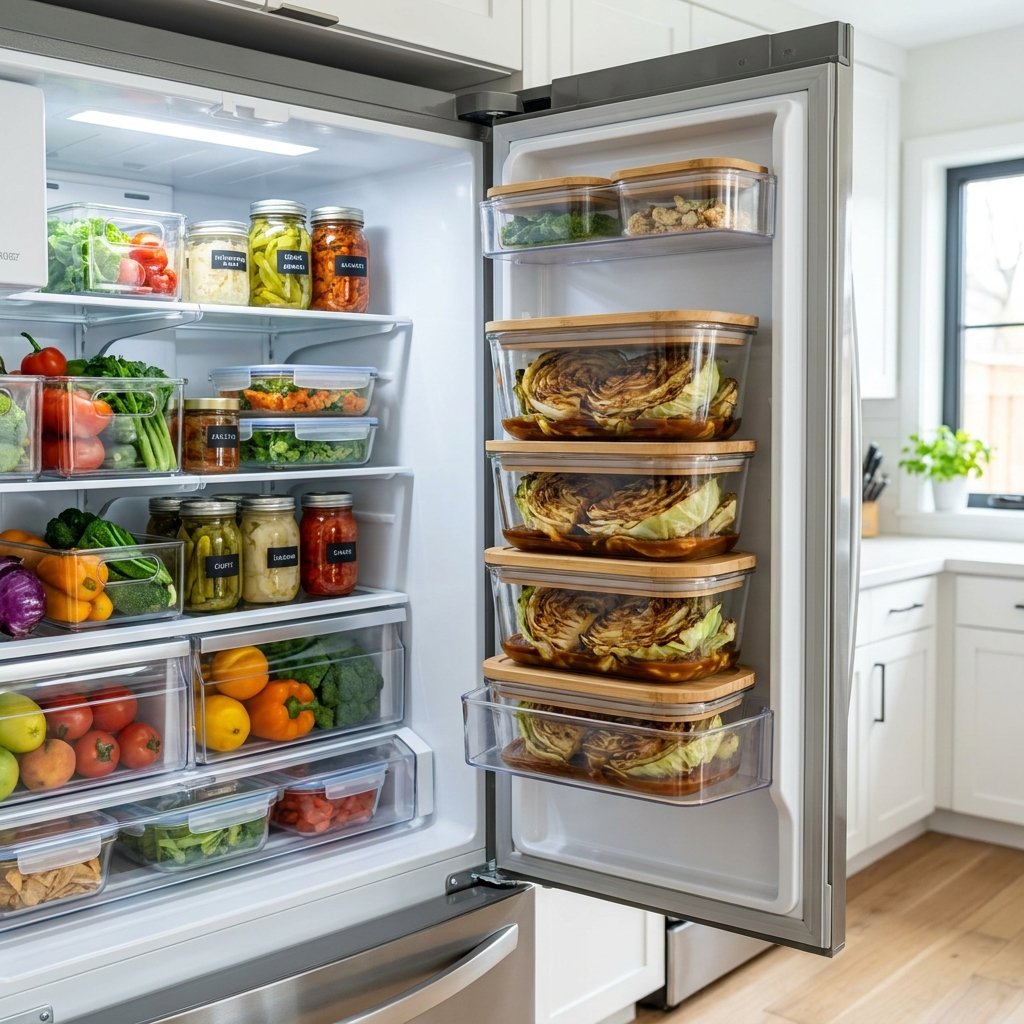
Prepare miso cabbage steaks for meal prep by roasting them on Sunday and storing in refrigerator containers for quick weeknight reheating. They work beautifully in packed lunches alongside salads or in grain bowls that sustain through afternoon hours. Unlike many vegetable dishes, miso cabbage steaks improve in flavor as they sit, tasting even better after 24 hours.
Serve miso cabbage steaks alongside Asian-inspired noodle dishes, curries, or stir-fries for cohesive flavor profiles that feel intentional and restaurant-quality. The miso glaze bridges flavors across the plate, creating unified dishes rather than disconnected components.
Consider miso cabbage steaks as the centerpiece for plant-based holiday dinners, Thanksgiving gatherings, or special celebration meals where you want to highlight vegetables with confidence and complexity. The impressive presentation and rich flavor satisfy meat-eaters and vegetarians equally, requiring no apologies or special treatment.
Storage and Reheating for Miso Cabbage Steaks
Proper storage extends miso cabbage steaks’ lifespan while maintaining their texture and flavor integrity, making them ideal for meal planning, make-ahead entertaining, and budget-conscious cooking strategies.
| Method | Duration | Instructions |
|---|---|---|
| Refrigerator Storage | 4 to 5 days | Cool miso cabbage steaks completely at room temperature before transferring to airtight glass containers or beeswax wraps. Store in the coldest section of your refrigerator away from ethylene-producing fruits. |
| Freezer Storage | 2 to 3 months | Freeze cooled miso cabbage steaks on a baking sheet for 2 hours until solid, then transfer to freezer-safe containers with parchment between layers. Thaw overnight in refrigerator before reheating. |
| Oven Reheating | 5 to 10 minutes | Preheat oven to 375 degrees Fahrenheit. Place refrigerated miso cabbage steaks on a baking sheet and cover loosely with foil. Reheat for 5 to 7 minutes until warmed through, removing foil for the last 2 minutes to restore crispness. |
| Microwave Reheating | 1 to 2 minutes | Place miso cabbage steaks on a microwave-safe plate, cover loosely with a damp paper towel, and microwave at 50 percent power for 1 to 2 minutes. This method softens texture slightly but works for quick lunches. |
| Make-Ahead Preparation | Up to 2 days | Slice and arrange miso cabbage steaks on the baking sheet, cover with plastic wrap, and refrigerate until ready to roast. Add 2 to 3 minutes to cooking time if starting from cold. Apply glaze fresh for best flavor. |
| Serving Temperature | Flexible | Miso cabbage steaks taste excellent warm, room temperature, or even lightly chilled. This flexibility makes them ideal for entertaining since you can prepare ahead without worrying about precise serving timing. |
Refrigerated miso cabbage steaks actually develop deeper, more complex flavor as the miso glaze continues permeating the cabbage, often tasting better on day two than immediately after cooking. This improvement distinguishes miso cabbage steaks from many vegetable dishes and makes them excellent for meal planning. Freeze miso cabbage steaks only after they’ve cooled completely to prevent condensation and texture degradation during thawing.
Nutritional Information for Miso Cabbage Steaks
Each serving of miso cabbage steaks delivers substantial nutritional value alongside satisfying, indulgent flavor that makes healthy eating feel like celebration rather than sacrifice.
| Nutrient | Amount per Serving |
|---|---|
| Calories | 145 |
| Protein | 3 grams |
| Fat | 8 grams |
| Carbohydrates | 16 grams |
| Fiber | 3 grams |
| Vitamin C | 45% Daily Value |
| Vitamin K | 95% Daily Value |
| Potassium | 12% Daily Value |
| Sodium | 380 milligrams |
| Sugar | 8 grams |
Approximate values calculated per steaks serving from a batch of four. These nutritional estimates assume standard ingredient amounts and may vary slightly based on specific miso paste brands and ingredient choices. Miso cabbage steaks provide impressive micronutrient density including vitamin K for bone health, vitamin C for immune function, and fiber for digestive wellness. The fermented miso contributes beneficial probiotics that support gut health, making miso cabbage steaks as nutritious as they are delicious.
Frequently Asked Questions About Miso Cabbage Steaks
Can I make miso cabbage steaks without miso paste?
Miso paste is essential to these steaks’ distinctive umami flavor, and no common ingredient perfectly replicates its complex fermented character. However, you can substitute with tamari mixed with a small amount of tahini, or use soy sauce combined with anchovy paste for umami depth, though the result differs from authentic miso cabbage steaks. The miso paste specifically creates this recipe’s signature depth.
How do I know when miso cabbage steaks are done roasting?
Properly roasted miso cabbage steaks should be completely fork-tender while maintaining their structure and shape. The edges should be deeply caramelized and crispy, the interior soft enough to cut with a fork, and the glaze should appear glossy and set. If the cabbage still feels firm, continue roasting for another 3 to 5 minutes.
Can I use frozen cabbage for miso cabbage steaks?
Frozen cabbage will produce mushy, disappointing miso cabbage steaks because freezing breaks down cell structure, causing the steaks to collapse and lose their crucial structural integrity. Fresh cabbage is non-negotiable for proper texture and the distinct steak-like presentation that defines this dish.
Can I prepare miso cabbage steaks the night before?
Absolutely. Slice the cabbage, arrange on the baking sheet, cover with plastic wrap, and refrigerate overnight. Roast directly from cold, adding 2 to 3 minutes to cooking time. Apply the miso glaze fresh rather than preparing it ahead to preserve its bright flavor. This make-ahead approach simplifies weeknight cooking.
What’s the best way to serve miso cabbage steaks at dinner parties?
Serve miso cabbage steaks warm on a large platter garnished with sesame seeds and green onions, allowing guests to serve themselves. Alternatively, plate individually for formal settings. The steaks look elegant on any plate and require no additional plating work, making dinner party service simple.
Can I refrigerate the miso glaze separately from the steaks?
Yes. Store the miso glaze in an airtight container for up to one week, then brush onto roasted cabbage steaks just before serving or reheating. This approach keeps the steaks’ texture crisp while allowing glaze application on demand, useful if serving miso cabbage steaks to guests with different temperature preferences.
How long does it take to prepare miso cabbage steaks for a dinner party serving eight people?
Plan approximately 35 to 45 minutes total. Two large cabbage heads require about 10 to 15 minutes prep time, 25 to 30 minutes roasting time, and 5 minutes for final glazing and garnishing. If you prepare miso cabbage steaks ahead and store refrigerated, final reheating takes just 7 to 10 minutes.
Can I freeze miso cabbage steaks after glazing?
Yes. Cool completely, then freeze on a baking sheet before transferring to freezer containers. The glaze freezes well and rehydrates during the thawing and reheating process. Thaw overnight in the refrigerator, then reheat in a 375-degree oven for 8 to 10 minutes until warmed through.
What vegetables pair best with miso cabbage steaks for a complete meal?
Miso cabbage steaks pair beautifully with roasted Brussels sprouts, caramelized carrots, sesame-crusted broccoli, or roasted cauliflower. For greens, serve with simple dressed spinach, Asian-inspired kale salad, or steamed bok choy. These combinations create visually interesting plates with complementary flavors.
Is there a low-sodium version of this miso cabbage steaks recipe?
Use low-sodium soy sauce and reduce miso paste from 3 tablespoons to 2 tablespoons, then add additional rice vinegar for brightness. This modification creates gentler sodium levels while maintaining the glaze’s essential umami character. Taste and adjust seasonings to your preference in your low-sodium miso cabbage steaks version.
Conclusion
Miso cabbage steaks represent everything appealing about vegetable-forward cooking: impressive results from simple ingredients, impressive presentation that rivals restaurant dishes, and genuine satisfaction that converts skeptics into enthusiasts. The high-heat roasting caramelizes cabbage’s natural sugars while the fermented miso glaze adds umami depth and complexity that transforms humble vegetables into showstopping plates. Whether you’re preparing weeknight dinners, planning meal prep, or impressing dinner party guests, miso cabbage steaks deliver consistently excellent results that taste restaurant-quality while requiring minimal technique or fuss. The roasted exterior’s crispy texture contrasts beautifully with the tender, sweet interior, creating the signature satisfying bite that makes people request this recipe repeatedly. Begin with this straightforward preparation, then explore variations and flavor combinations to make miso cabbage steaks your own. The recipe’s adaptability, nutritional value, and genuine deliciousness ensure these roasted cabbage steaks become regular rotation fixtures in your kitchen, earning permanent spots on dinner tables and meal prep routines.
Addictive cabbage recipe
Chili crisp carrot ribbon salad recipe
baking soda recipe for weight loss
Eggplant parmesan soup recipe
Whipped beef tallow recipe
Protein Dill Pickle Dip
Savory Greek yogurt dip
Expert Resources and Food Safety
Deepen your understanding of fermented ingredients and Asian cooking techniques through these authoritative sources: Academy of Nutrition and Dietetics on Miso Benefits and USDA FoodKeeper App for Food Storage Guidelines. These resources provide science-based information about fermented food benefits and proper food storage practices that enhance your cooking confidence.
Print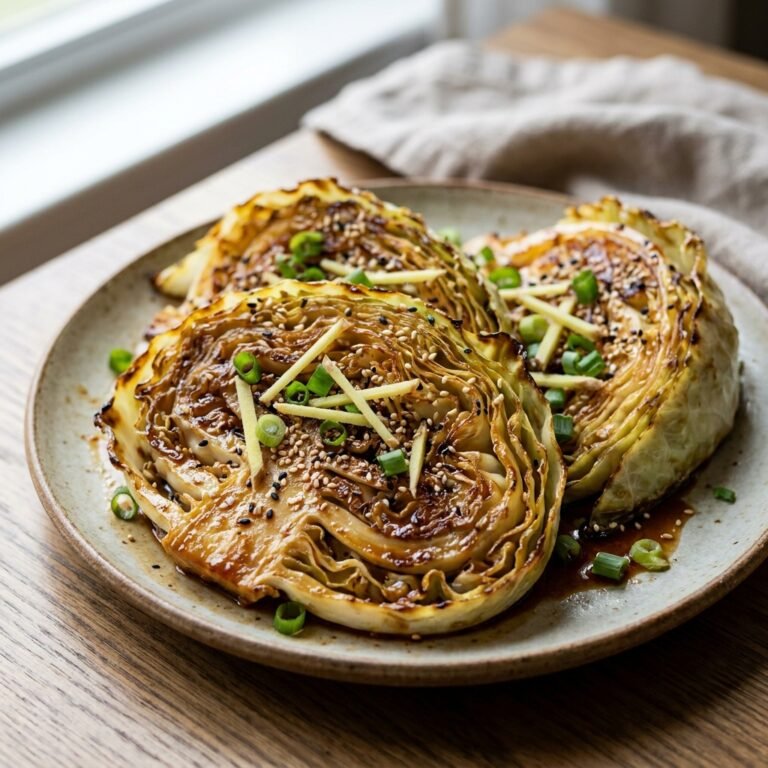
Viral Miso Cabbage Steaks
Miso cabbage steaks are thick roasted cabbage slices brushed with a savory miso glaze that creates caramelized edges, tender centers, and rich umami flavor in every bite.
- Total Time: 35 minutes
- Yield: 4 servings 1x
Ingredients
- 1 large green or Napa cabbage
- 3 tablespoons white miso paste
- 3 tablespoons olive oil
- 2 tablespoons rice vinegar
- 1 tablespoon maple syrup or agave nectar
- 1 tablespoon fresh ginger, minced
- 2 garlic cloves, minced
- 1 tablespoon low-sodium soy sauce or tamari
- 1 teaspoon sesame oil
- Sea salt to taste
- Black pepper to taste
- Fresh green onions for garnish
- Sesame seeds for garnish
Instructions
- Preheat oven to 425°F and line a baking sheet with parchment paper.
- Rinse and dry the cabbage thoroughly.
- Slice cabbage into 1-inch-thick steaks.
- Arrange cabbage steaks on the prepared baking sheet.
- Brush both sides with olive oil.
- Season with sea salt and black pepper.
- Roast for 12-15 minutes until lightly browned.
- Flip the cabbage steaks carefully.
- Roast another 10-12 minutes until tender and caramelized.
- Whisk miso paste, rice vinegar, maple syrup, ginger, garlic, soy sauce, and sesame oil in a bowl.
- Brush the miso glaze over the roasted cabbage steaks.
- Return to the oven for 2-3 minutes.
- Remove from the oven and garnish with green onions and sesame seeds.
- Serve warm immediately.
Notes
Roast at high heat for the best caramelized edges and apply the miso glaze only during the final minutes to prevent burning.
- Prep Time: 10 minutes
- Cook Time: 25 minutes
- Category: Side Dish
- Method: Roasting
- Cuisine: Asian-Inspired
- Diet: Vegan
Nutrition
- Serving Size: 1 serving
- Calories: 145
- Sugar: 8g
- Sodium: 380mg
- Fat: 8g
- Saturated Fat: 1g
- Unsaturated Fat: 6g
- Trans Fat: 0g
- Carbohydrates: 16g
- Fiber: 3g
- Protein: 3g
- Cholesterol: 0mg