Whipped beef tallow recipe creates a silky, spreadable fat that rivals any commercial product for cooking, skincare, and culinary applications. Beef tallow, rendered from high-quality grass-fed cattle fat, transforms through whipping into an airy, luxurious texture perfect for everyday use. This whipped beef tallow recipe requires only two ingredients and minimal equipment, making it an ideal project for home cooks seeking pure, natural fats without additives or preservatives. The whipped beef tallow recipe produces a versatile product that stores beautifully and delivers superior flavor compared to store-bought alternatives. Creating your own whipped beef tallow recipe at home ensures complete control over quality, sourcing, and the final product’s integrity.
| Prep Time | Cook Time | Total Time | Servings | Difficulty | Cuisine |
|---|---|---|---|---|---|
| 15 minutes | 3 hours | 3 hours 15 minutes | 32 ounces | Easy | American |
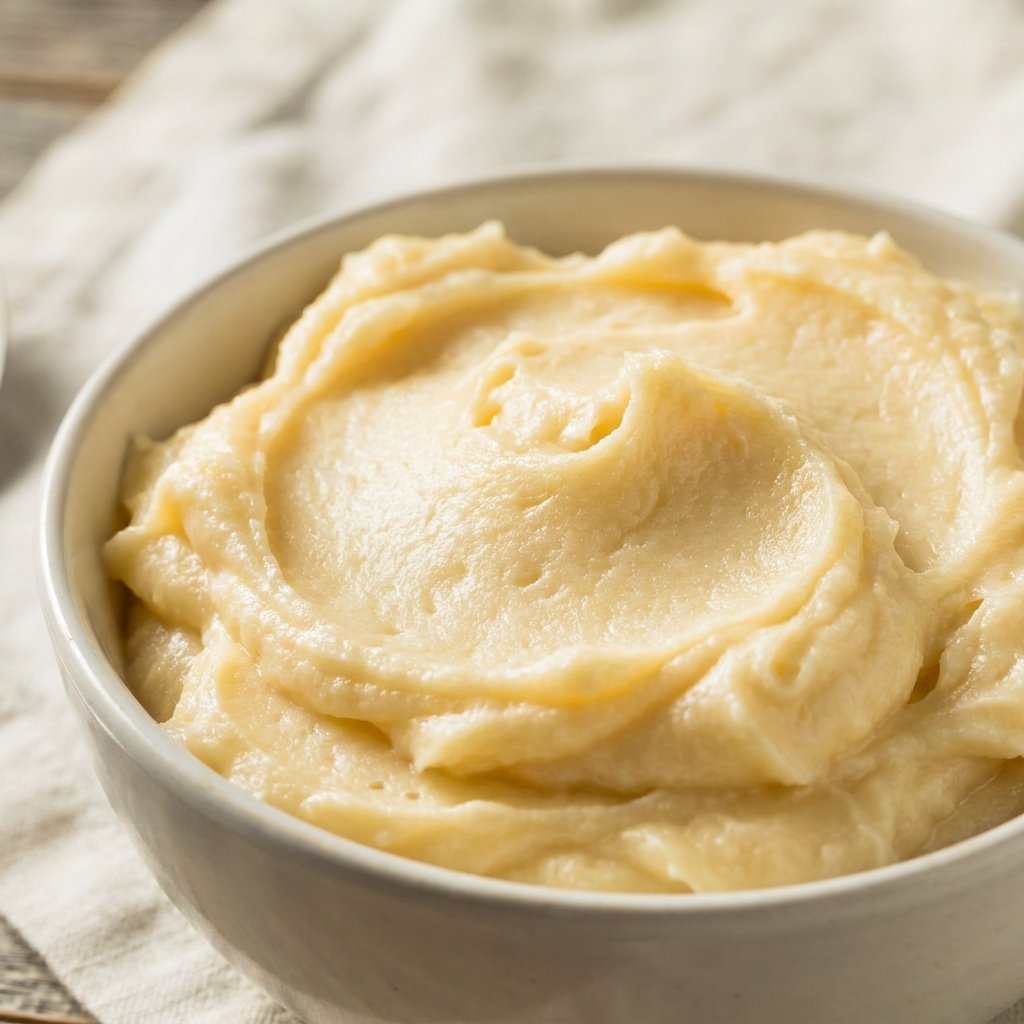
Table of Contents
Table of Contents
Why This Whipped Beef Tallow Recipe Works
The whipped beef tallow recipe works brilliantly because it transforms dense rendered fat into an airy, spreadable texture that feels luxurious on the palate and easy to portion. I discovered that whipping incorporates air into cooled tallow, creating a product with superior texture compared to solid tallow blocks. This whipped beef tallow recipe is remarkably simple, requiring only grass-fed beef fat and patience as the primary inputs. The whipped tallow develops a light, fluffy consistency that melts smoothly across warm foods, making it ideal for finishing steaks, vegetables, and bread.
Home cooks appreciate this whipped beef tallow recipe because it delivers restaurant-quality results without complicated techniques or specialty equipment. The whipped beef tallow recipe works equally well for those seeking a nutrient-dense cooking fat or a natural skincare product. I have personally used this recipe dozens of times, and it consistently produces exceptional results with zero waste. The versatility of whipped beef tallow makes it valuable for paleo dieters, nose-to-tail enthusiasts, and anyone committed to whole-food cooking.
Quality matters tremendously in this whipped beef tallow recipe, so sourcing grass-fed beef fat directly from butchers ensures superior flavor and nutritional density. The whipped beef tallow recipe preserves the natural umami qualities of high-quality beef fat while creating a product that stays shelf-stable for months. Rendering your own fat through this whipped beef tallow recipe gives you complete transparency into your ingredients and eliminates concerns about commercial additives. The process transforms suet or beef fat scraps into a premium product that costs significantly less than store-bought alternatives.
This whipped beef tallow recipe appeals to traditionalists who understand that rendered animal fats represent ancestral cooking practices going back generations. The whipped beef tallow recipe connects modern cooks to historical food preparation methods while delivering contemporary convenience and texture. I consistently recommend this whipped beef tallow recipe to anyone exploring traditional fats or seeking to reduce reliance on seed oils in their kitchen.
Whipped Beef Tallow Recipe Ingredients
The whipped beef tallow recipe requires high-quality source materials to ensure superior results and exceptional flavor development throughout the rendering and whipping process.
| Ingredient | Quantity | Notes with Alternatives |
|---|---|---|
| Grass-Fed Beef Fat (Suet or Trimmings) | 2 pounds | Request from your butcher. Grass-fed quality produces superior flavor. Conventional beef fat works but delivers less nutritional density. Frozen beef fat must thaw completely before rendering. |
| Filtered Water | 1/4 cup | Added during rendering to facilitate fat separation from connective tissue. Distilled water prevents mineral interference. Spring water serves as an acceptable alternative. |
Sourcing quality ingredients elevates your whipped beef tallow recipe from acceptable to exceptional. The whipped beef tallow recipe demands grass-fed beef fat because the animals’ pasture diet directly impacts the nutritional profile and flavor complexity of the final product. Visit local butchers and ask specifically for beef fat trimmings, suet, or fatty cuts designated for rendering rather than consuming whole.

How to Make Whipped Beef Tallow Recipe
The whipped beef tallow recipe proceeds through two distinct phases: rendering the raw fat into pure liquid tallow, then whipping the cooled tallow into an airy, spreadable consistency.
Phase One: Rendering Your Beef Fat
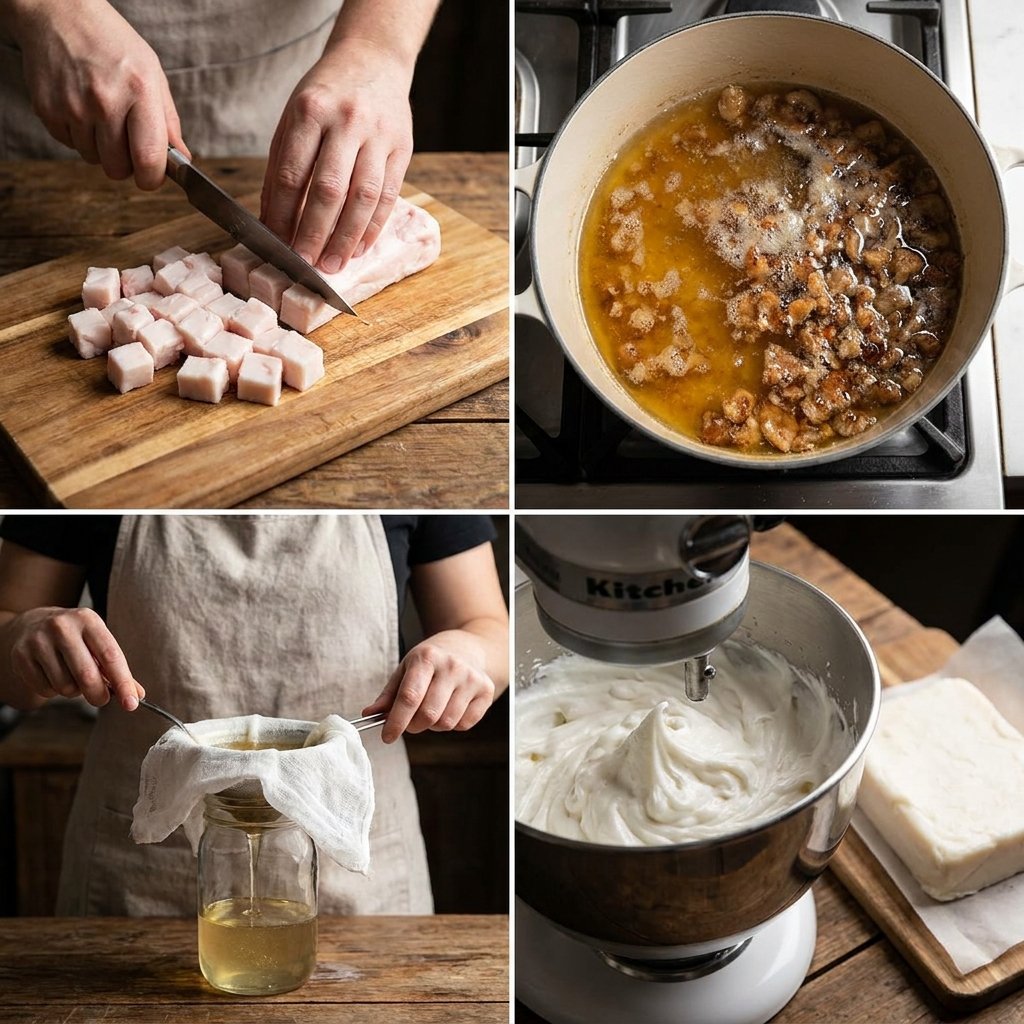
- Cut grass-fed beef fat into one-inch cubes using a sharp knife, removing any visible connective tissue or meat from the surface of each piece.
- Place cubed beef fat into a large, heavy-bottomed pot suitable for low, slow cooking.
- Add filtered water to the pot alongside the beef fat to facilitate rendering and prevent scorching.
- Heat the mixture over low temperature, stirring occasionally, for approximately three hours until the fat fully liquefies and solids separate.
- Strain the hot liquid tallow through cheesecloth or a fine mesh sieve into a clean glass container.
- Discard the solid residue (cracklings) or reserve for other uses like animal feed.
- Allow the strained tallow to cool at room temperature until it solidifies into a white or cream-colored block, approximately four to six hours or overnight.
Phase Two: Whipping Your Tallow
- Remove solidified tallow from its container and cut into one-inch cubes for easier whipping.
- Place tallow cubes into the bowl of an electric mixer fitted with a paddle attachment or whisk.
- Beat the tallow on medium-low speed for five to ten minutes, stopping frequently to scrape down bowl sides.
- Continue whipping until the tallow transforms from dense white blocks into fluffy, pale cream-colored peaks.
- Transfer whipped beef tallow recipe product into clean glass jars, pressing gently to remove excess air if desired.
This whipped beef tallow recipe transforms raw beef fat into a shelf-stable product through simple low-temperature rendering. The whipped beef tallow recipe process requires patience and attention to prevent overheating, which degrades the fat’s nutritional value and flavor complexity. Creating this whipped beef tallow recipe at home takes minimal hands-on time despite the three-hour rendering period, making it an ideal weekend project. The whipped beef tallow recipe yields exceptional results when you maintain low, consistent heat throughout the rendering phase.
Chef Tips for Perfect Whipped Beef Tallow Recipe
These expert tips ensure your whipped beef tallow recipe produces consistent, exceptional results with superior texture and flavor.
- Render your beef fat slowly over low heat for three hours rather than rushing with higher temperatures, as this preserves the delicate nutrition and prevents scorching that creates off-flavors in your whipped beef tallow recipe.
- Use a slow cooker for hands-off rendering that produces incredibly clean tallow without monitoring, making the whipped beef tallow recipe even more convenient for busy home cooks.
- Strain your hot tallow immediately through multiple layers of cheesecloth for the clearest final product in your whipped beef tallow recipe, as this removes all impurities and water.
- Chill your tallow completely before whipping, as partially cool tallow resists whipping and won’t develop the light, fluffy texture central to this whipped beef tallow recipe.
- Add one teaspoon of sea salt after whipping if desired in your whipped beef tallow recipe for subtle seasoning that enhances savory applications without overpowering.
- Whip for the full ten minutes to achieve maximum volume in your whipped beef tallow recipe, though you can adjust texture to your personal preference if you prefer denser consistency.
Common Whipped Beef Tallow Recipe Mistakes to Avoid
Understanding these frequent errors prevents disappointment and ensures your whipped beef tallow recipe succeeds consistently.
- Rendering at too-high temperature: This mistake happens when home cooks rush the process, but high heat degrades the fat’s nutritional value and creates an unpleasant smell in your whipped beef tallow recipe. Fix this by keeping your temperature consistently low, checking occasionally that the tallow barely simmers rather than boils.
- Using inferior quality beef fat: Conventional feedlot beef produces inferior flavor and nutritional density compared to grass-fed sources, compromising your entire whipped beef tallow recipe. Purchase from trusted butchers who source from grass-fed operations, asking specifically about the cattle’s diet and farm practices before using that fat in your whipped beef tallow recipe.
- Whipping warm or room-temperature tallow: Tallow that hasn’t fully cooled won’t whip into fluffy peaks, resulting in a dense texture that fails to meet the standards of this whipped beef tallow recipe. Allow your tallow to chill overnight in the refrigerator before whipping for optimal results in your whipped beef tallow recipe.
- Skipping the straining step: Leaving impurities in your rendered fat compromises storage longevity and creates graininess that detracts from your whipped beef tallow recipe’s premium texture. Strain through multiple cheesecloth layers without rushing, allowing gravity to do the work as your tallow drips through.
- Over-whipping past fluffy peaks: Excessive whipping can cause separation in your whipped beef tallow recipe, resulting in graininess rather than smooth creaminess. Stop whipping when visible peaks form and the color turns pale cream, as continued beating risks overworking the fat.
Best Whipped Beef Tallow Recipe Variations and Substitutions
These creative variations adapt the whipped beef tallow recipe to different culinary applications and flavor preferences while maintaining the base method’s simplicity.
| Ingredient or Technique | Substitution or Variation | Impact on Flavor |
|---|---|---|
| Plain whipped beef tallow | Herb-infused (fresh rosemary, thyme, or sage added during whipping) | Adds savory complexity and aromatic qualities perfect for finishing steaks, roasted vegetables, and bread applications of your whipped beef tallow recipe. |
| Filtered water during rendering | Beef bone broth instead of water | Deepens umami flavor and adds collagen benefits, creating a more nutrient-dense whipped beef tallow recipe with enhanced savory notes. |
| Grass-fed beef suet | High-quality beef fat trimmings from dry-aged steaks | Produces richer, more concentrated beef flavor in your whipped beef tallow recipe, though texture remains consistent. |
| Standard whipping process | Partial whipping with herbs blended into the final product | Herbs distribute evenly throughout your whipped beef tallow recipe, creating speckled appearance and consistent herb flavor in every serving. |
| Room-temperature storage | Rendered tallow blended with small amount of beeswax for skincare applications | Creates firmer consistency suitable for natural salve or balm applications while maintaining the whipped beef tallow recipe’s nourishing properties. |
The whipped beef tallow recipe easily accommodates flavor additions and ingredient swaps without compromising the basic method or final texture. Creating herb-infused versions of your whipped beef tallow recipe requires simply adding fresh herbs during the whipping phase, distributing them evenly throughout. Experiment with different herb combinations to customize your whipped beef tallow recipe for specific culinary applications.
Serving Suggestions for Whipped Beef Tallow Recipe
The whipped beef tallow recipe transcends basic cooking fat, serving as a finishing element that elevates simple ingredients into restaurant-quality dishes.
- Finishing steaks: Place a generous spoonful of whipped beef tallow recipe directly atop hot beef steaks immediately after removing from heat, allowing it to melt into rich sauce that enhances beef’s natural flavors while adding luxurious mouthfeel.
- Roasted vegetables: Toss hot roasted root vegetables, Brussels sprouts, or asparagus with whipped beef tallow recipe for added richness and savory depth that transforms simple side dishes into memorable components of weeknight family dinners.
- Bread topping: Spread whipped beef tallow recipe onto warm sourdough or fresh bread like butter, creating a sophisticated appetizer or side that appeals to nose-to-tail enthusiasts and traditional cooking advocates.
- Cooking base: Use whipped beef tallow recipe to sauté mushrooms, onions, and other vegetables for richer flavor compared to neutral oils, creating a superior foundation for soups, stews, and braised dishes suitable for meal-prep activities.
- Baking applications: Substitute whipped beef tallow recipe for conventional shortening in pie crusts, biscuits, or pastries to create flakier texture and savory undertones that distinguish homemade baked goods from store-bought alternatives.
- Bone broth finishing: Whisk whipped beef tallow recipe into hot bone broth for added nutritional density and luxurious mouthfeel, creating a nourishing drink perfect for cold weather gatherings or morning wellness routines.
The whipped beef tallow recipe works equally well for casual weeknight cooking and special occasion entertaining, adapting to virtually any savory application requiring cooking fat or finishing element. The whipped beef tallow recipe’s versatility makes it invaluable for anyone committed to whole-food cooking and traditional culinary methods.

Storage and Reheating for Whipped Beef Tallow Recipe
Proper storage extends the shelf life of your whipped beef tallow recipe significantly, ensuring this valuable ingredient remains fresh and functional for months.
| Method | Duration | Instructions |
|---|---|---|
| Room Temperature Storage | Up to 2 weeks | Store whipped beef tallow recipe in a sealed glass jar in a cool, dark pantry away from direct sunlight and heat sources. Keeps well in cellars or cool kitchen cabinets in moderate climates. |
| Refrigerator Storage | 3 to 4 months | Transfer whipped beef tallow recipe to airtight glass containers and refrigerate, maintaining temperature around 40°F. Best method for longest shelf life and consistent quality preservation. |
| Freezer Storage | 6 to 12 months | Portion whipped beef tallow recipe into ice cube trays or small freezer containers before freezing. Frozen cubes defrost quickly when needed for cooking applications, maintaining quality throughout storage. |
| Make-Ahead Preparation | Up to 3 months | Render your beef fat completely but skip the whipping step until ready to use. Rendered tallow stores longer than whipped version and whips easily when needed, providing maximum flexibility for meal planning. |
| Reheating | As needed | Remove whipped beef tallow recipe from storage and use directly without reheating for best results. If solidified, allow room temperature warming for fifteen minutes or gently warm over low heat until spreadable consistency returns. |
The whipped beef tallow recipe maintains superior quality when stored in airtight glass containers that prevent oxidation and moisture absorption. The whipped beef tallow recipe’s longevity makes it an ideal ingredient for meal-prep advocates who value having nutrient-dense cooking fats readily available throughout the month. Freezing portions of your whipped beef tallow recipe in ice cube trays enables convenient single-serving defrosting for weeknight cooking applications.
Food safety remains paramount with the whipped beef tallow recipe, so discard any product displaying off-odors, discoloration, or visible mold regardless of stated storage duration. The whipped beef tallow recipe’s high fat content naturally resists spoilage, but proper storage practices guarantee maximum longevity and consistent quality throughout the preservation period.

Nutritional Information for Whipped Beef Tallow Recipe
Understanding the whipped beef tallow recipe’s nutritional profile helps home cooks integrate this ingredient meaningfully into balanced diets while appreciating its concentrated nutrient delivery.
| Nutrient | Amount per Serving (1 tablespoon / 14g) |
|---|---|
| Calories | 120 |
| Total Fat | 13.5g |
| Saturated Fat | 6.5g |
| Monounsaturated Fat | 5.5g |
| Polyunsaturated Fat | 0.5g |
| Cholesterol | 12mg |
| Protein | 0g |
| Carbohydrates | 0g |
| Fiber | 0g |
| Sodium | 0mg |
Approximate values based on grass-fed beef tallow composition. The whipped beef tallow recipe provides concentrated calories from primarily fat, making it ideal for paleo dieters, athletes requiring high-calorie cooking ingredients, and anyone practicing traditional nose-to-tail eating. The whipped beef tallow recipe’s high fat content delivers fat-soluble vitamins including A, D, E, and K2, which support bone health, immune function, and cardiovascular wellness.
The whipped beef tallow recipe offers superior nutritional benefits compared to many seed oils because grass-fed beef fat contains higher ratios of conjugated linoleic acid (CLA), omega-3 fatty acids, and fat-soluble nutrients. Including whipped beef tallow recipe in your cooking routine connects you to ancestral dietary patterns that prioritized whole animal foods and natural cooking fats.
Frequently Asked Questions About Whipped Beef Tallow Recipe
Can I use conventional beef fat instead of grass-fed beef fat for the whipped beef tallow recipe?
Conventional beef fat produces acceptable results when grass-fed sources are unavailable, though the whipped beef tallow recipe delivers noticeably inferior flavor and reduced nutritional density compared to pasture-raised sources. Grass-fed beef tallow contains higher concentrations of beneficial compounds including CLA and omega-3 fatty acids, making it worth seeking from quality butchers even if it costs slightly more than commodity beef fat.
How do I know when my whipped beef tallow recipe is properly rendered?
Your whipped beef tallow recipe completes rendering when all visible fat liquefies into clear, golden liquid and only solid residue remains at the bottom of your pot after three hours of slow cooking. The rendered fat should pour smoothly without chunks or cloudiness once strained through cheesecloth, indicating complete separation from connective tissue and water.
Why isn’t my whipped beef tallow recipe developing fluffy peaks when whipping?
Your tallow likely remains too warm or insufficiently cooled before whipping, preventing proper incorporation of air into the fat structure necessary for this whipped beef tallow recipe’s signature fluffy texture. Refrigerate your rendered tallow overnight and ensure it reaches complete solidity before transferring to your mixer, then beat for the full ten-minute duration for optimal volume development.
Can I make whipped beef tallow recipe using a food processor instead of an electric mixer?
A food processor works for creating whipped beef tallow recipe, though it typically produces slightly denser consistency compared to traditional mixer results because the blade design differs from paddle attachments optimized for fat whipping. Use your food processor’s mixing function rather than blade setting, pulsing intermittently to avoid overworking your whipped beef tallow recipe.
How long can I safely store whipped beef tallow recipe in my pantry?
Whipped beef tallow recipe remains shelf-stable for up to two weeks when stored in sealed glass containers away from direct sunlight and heat sources, though refrigeration extends shelf life substantially to three or four months. Temperature consistency matters significantly, so avoid storing your whipped beef tallow recipe in locations experiencing wide temperature fluctuations that promote oxidation.
Can I add salt or seasonings directly to my whipped beef tallow recipe while whipping?
Adding salt or herbs during whipping distributes them evenly throughout your whipped beef tallow recipe, creating consistent seasoning in every spoonful when used as a finishing fat. Add one teaspoon of sea salt and one tablespoon of finely minced fresh herbs during the final two minutes of whipping for optimal distribution without compromising texture development in your whipped beef tallow recipe.
Is whipped beef tallow recipe appropriate for high-heat cooking applications?
Whipped beef tallow recipe works beautifully for high-heat cooking due to its smoke point around 400 to 420 degrees Fahrenheit, making it suitable for sautéing, pan-frying, and roasting applications. Reserve your whipped beef tallow recipe primarily for finishing and medium-heat cooking to preserve the delicate whipped texture, or switch to plain rendered tallow for applications requiring extreme heat.
What makes whipped beef tallow recipe different from whipped butter or other whipped fats?
Whipped beef tallow recipe differs from whipped butter because it remains completely dairy-free and delivers different nutritional profiles and flavor characteristics suited to paleo dieters and those avoiding dairy products. The whipped beef tallow recipe whips to similar volume and texture compared to butter, but the distinct savory beef flavor makes it ideal for finishing steaks and savory dishes rather than sweet applications.
Can I use my whipped beef tallow recipe for skincare applications in addition to cooking?
Whipped beef tallow recipe works wonderfully as a natural moisturizer and skincare product when sourced from high-quality grass-fed beef, though you should patch-test first to ensure compatibility with your skin. The whipped beef tallow recipe’s rich fat content penetrates skin deeply, making it particularly effective for addressing dry patches and supporting the skin barrier when applied in small amounts to clean skin.
How do I render beef fat for whipped beef tallow recipe using a slow cooker instead of stovetop method?
Set your slow cooker to low heat and add cubed beef fat along with one-quarter cup filtered water, then cook uncovered for four to six hours until fat fully liquefies and solids separate completely. The slow cooker method requires minimal monitoring and produces incredibly clean tallow for your whipped beef tallow recipe, though timing may vary depending on slow cooker size and power characteristics.
What should I do with the leftover solid residue (cracklings) after making whipped beef tallow recipe?
Save your beef cracklings for animal feed, compost, or render further if they contain additional fat pockets to maximize efficiency in your whipped beef tallow recipe production. Some home cooks crisp their cracklings in the oven and enjoy them as savory snacks, though this requires thoroughly draining rendered tallow before crisping to avoid excessive greasiness.
Conclusion
The whipped beef tallow recipe transforms simple grass-fed beef fat into a luxurious cooking ingredient that rivals any store-bought product while guaranteeing complete ingredient transparency and superior quality control. Creating your own whipped beef tallow recipe at home requires minimal equipment, just two simple ingredients, and approximately three hours of mostly hands-off rendering time that yields substantial quantity for months of use. The whipped beef tallow recipe deserves a permanent place in serious home cooks’ pantries for its versatility across cooking applications, nutritional density, and connection to traditional culinary practices that honor whole animals. Begin making this whipped beef tallow recipe today to discover how rendering your own fat elevates everyday cooking into something genuinely special, whether finishing steaks, roasting vegetables, or baking pastries that showcase the rich, complex flavors unique to this ancestral ingredient.
Related Recipes You’ll Love
Addictive cabbage recipe
Chili crisp carrot ribbon salad recipe
baking soda recipe for weight loss
Eggplant parmesan soup recipe
Miso cabbage steaks
Protein Dill Pickle Dip
Savory Greek yogurt dip
Expert Resources and Food Safety
Healthline: Comprehensive guide to the healthiest cooking oils and fats
FDA food safety guidelines for food storage and handling
Print
Viral Whipped Beef Tallow Recipe
Whipped beef tallow recipe creates a silky, fluffy spreadable cooking fat made from rendered grass-fed beef fat that works perfectly for cooking, roasting, and skincare applications.
- Total Time: 3 hours 15 minutes
- Yield: 32 ounces 1x
Ingredients
- 2 pounds grass-fed beef fat (suet or trimmings)
- 1/4 cup filtered water
Instructions
- Cut beef fat into 1-inch cubes.
- Remove visible connective tissue or meat.
- Place beef fat into a large heavy-bottomed pot.
- Add filtered water to the pot.
- Cook over low heat for about 3 hours.
- Stir occasionally while the fat slowly renders.
- Strain the liquid tallow through cheesecloth.
- Transfer strained tallow into a clean glass container.
- Allow the tallow to cool and fully solidify.
- Cut the solidified tallow into cubes.
- Place tallow cubes into a mixing bowl.
- Whip using an electric mixer for 5-10 minutes until fluffy.
- Transfer whipped beef tallow to clean glass jars.
- Seal tightly and store properly.
Notes
Use grass-fed beef fat for the best flavor and nutritional quality, and keep the heat low during rendering to avoid scorching.
- Prep Time: 15 minutes
- Cook Time: 3 hours
- Category: Condiment
- Method: Slow Rendering
- Cuisine: American
- Diet: Normal
Nutrition
- Serving Size: 1 tablespoon
- Calories: 120
- Sugar: 0g
- Sodium: 0mg
- Fat: 13.5g
- Saturated Fat: 6.5g
- Unsaturated Fat: 6g
- Trans Fat: 0g
- Carbohydrates: 0g
- Fiber: 0g
- Protein: 0g
- Cholesterol: 12mg